Views: 0 Author: Site Editor Publish Time: 2026-08-13 Origin: Site
Did you know capsules revolutionized medicine by improving drug delivery? Capsules are tiny containers holding medicines safely and effectively. In this post, you’ll learn what capsules are, their history, and why they matter in modern healthcare.
Table of Contents
Capsules come in various types, each designed for specific uses and benefits. Understanding these types helps in choosing the right one for different pharmaceutical needs.
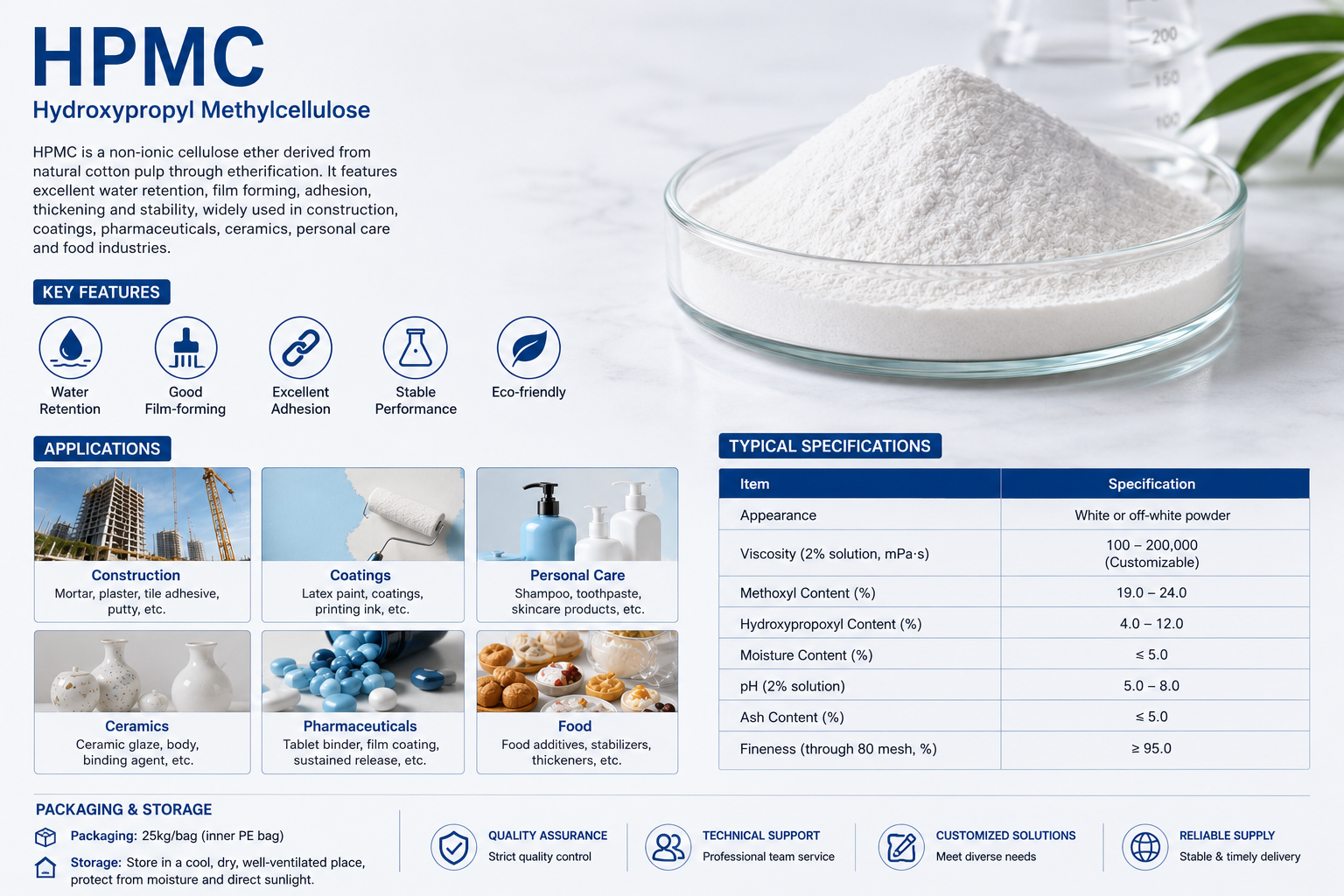
Hard capsules consist of two separate parts: a cap and a body. They fit tightly together to hold powdered or granular medicines. These capsules are usually made from gelatin or vegetarian alternatives like HPMC (hydroxypropyl methylcellulose).
Key features:
Two-piece design allows easy filling and sealing.
Typically used for powders, granules, pellets, and small tablets.
Offer good protection for dry ingredients.
Cost-effective and easy to manufacture at scale.
Available in many sizes and colors for dosing flexibility and branding.
Hard capsules are widely used for vitamins, supplements, and many prescription drugs. Their rigid structure makes them stable during handling and transport.
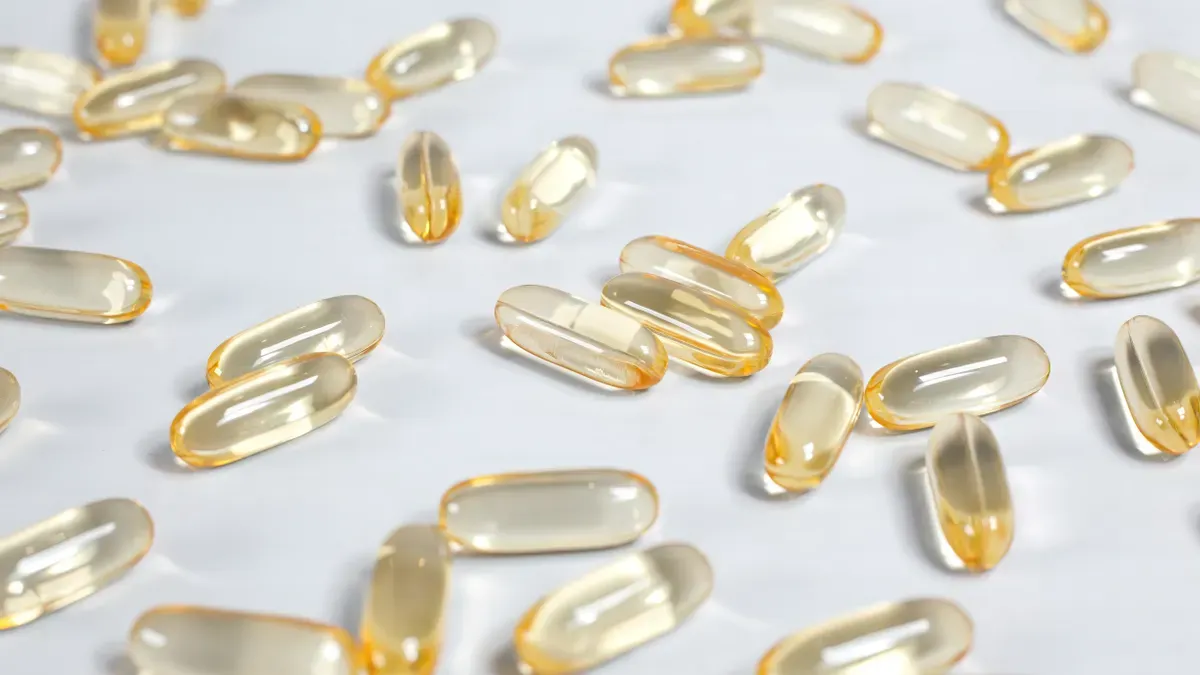
Soft capsules, or softgels, are made in one piece with a seamless, flexible shell. They are ideal for liquid or semi-solid fills like oils, emulsions, and pastes.
Key benefits:
Hermetically sealed, which prevents leaks and contamination.
Easier to swallow due to smooth, flexible texture.
Protect sensitive ingredients from oxygen and moisture.
Often improve bioavailability by presenting the active ingredient in a pre-dissolved form.
Common uses include fish oil supplements, fat-soluble vitamins (A, D, E, K), and certain liquid medicines. Soft capsules require specialized manufacturing equipment that forms, fills, and seals the capsule in one continuous process.
Some capsules are designed to control where and when the medicine is released in the body:
Enteric-coated capsules resist stomach acid and dissolve in the intestines. They protect acid-sensitive drugs or reduce stomach irritation.
Delayed-release capsules release their contents hours after swallowing, allowing timed delivery.
Extended-release capsules release medicine slowly over many hours, maintaining steady drug levels in the bloodstream.
These specialized capsules improve treatment effectiveness and reduce side effects.
Innovation continues with capsule formats that combine benefits of hard and soft capsules:
Liquid-filled hard capsules (LFHC) have a hard shell filled with liquid or semi-solid. They offer the durability of hard capsules while accommodating liquid medicines.
Multi-chamber capsules contain separate compartments inside one capsule. This design keeps incompatible ingredients apart until ingestion, enhancing stability and efficacy.
These advanced designs support complex formulations and emerging pharmaceutical needs.
Note: Selecting the right capsule type depends on the medicine’s physical form, desired release profile, and patient needs—ensuring optimal drug delivery and patient compliance.
Choosing the right material for capsule shells is crucial. It affects how the capsule behaves, its stability, and who can use it. Two main materials dominate the pharmaceutical capsule market: gelatin and HPMC (hydroxypropyl methylcellulose). Let’s explore their origins, properties, and typical uses.
Gelatin capsules are the traditional choice. They come from collagen, a protein found in animal bones and skin. This makes gelatin a natural, animal-based product.
Key properties:
Gelatin dissolves quickly in the stomach, releasing the medicine fast.
It forms strong, flexible shells that protect the medicine inside.
Gelatin capsules hold moisture, which keeps them soft but requires careful storage.
They work well for powders, granules, and oils.
Typical uses:
Widely used in pharmaceuticals for prescription drugs.
Popular in dietary supplements, especially vitamins and minerals.
Common for both hard capsules (two-piece) and soft capsules (softgels).
Because gelatin is animal-derived, it may not suit vegetarians, vegans, or certain religious groups.
HPMC capsules offer a plant-based alternative. Made from cellulose, a plant fiber, they cater to vegetarian, vegan, kosher, and halal needs.
Key advantages:
HPMC capsules have lower moisture content than gelatin, making them less sensitive to humidity changes.
They tend to be more stable in varied storage conditions.
Suitable for moisture-sensitive or hygroscopic medicines.
They dissolve slightly slower than gelatin but still release medicine effectively.
They avoid animal-sourced concerns, appealing to a wider market.
Typical uses:
Dietary supplements targeting vegetarian or vegan consumers.
Pharmaceuticals needing enhanced moisture stability.
Products requiring a clean-label or allergen-free image.
Feature | Gelatin Capsules | HPMC Capsules |
|---|---|---|
Origin | Animal collagen (bovine, porcine) | Plant-based cellulose derivative |
Moisture content | Higher, sensitive to humidity | Lower, more stable in humidity |
Dissolution speed | Faster in stomach | Slightly slower but consistent |
Suitability for vegetarians | No | Yes |
Storage environment | Requires controlled humidity (35-65% RH) | More tolerant, up to ~70% RH |
Common applications | Pharmaceuticals, supplements | Vegetarian supplements, moisture-sensitive drugs |
Cost | Generally lower | Slightly higher |
Both gelatin and HPMC capsules need proper storage to maintain quality.
Gelatin capsules can become brittle if too dry or sticky if too humid. Ideal storage is cool (15–25°C) and moderate humidity (35–65%). Packaging with moisture barriers helps extend shelf life.
HPMC capsules tolerate a broader humidity range, reducing risk of brittleness or deformation. They still benefit from cool, dry storage but offer more flexibility.
For moisture-sensitive or oxygen-sensitive medicines, capsule choice and packaging must work together. Neither material alone guarantees stability. Special blister packs or foil pouches often complement capsules to protect contents.
Note: When selecting capsule materials, consider patient dietary restrictions, storage conditions, and medicine sensitivity to ensure optimal performance and compliance.
Pharmaceutical capsules serve many important roles in delivering medicines safely and effectively. Their versatility allows them to hold different types of drug formulations and provide benefits that improve patient outcomes.
Hard capsules are ideal for containing powdered drugs and granules. These dry forms of medicine are often used because they allow precise dosing and stable storage. Capsules protect powders from moisture and air, keeping them effective until use. They also make swallowing easier compared to loose powders or tablets.
Capsules can hold a wide range of powdered formulations, including:
Prescription drugs
Vitamins and minerals
Herbal supplements
Pellets or multiparticulates for controlled release
This flexibility makes capsules a popular choice for many solid oral dosage forms.
Soft capsules (softgels) and liquid-filled hard capsules provide a safe container for liquid or semi-solid medicines. These forms are useful for oils, suspensions, emulsions, and pastes that cannot be compressed into tablets.
Benefits of liquid and semi-solid capsules include:
Preventing leaks and contamination through hermetic sealing
Improving bioavailability by delivering drugs in dissolved or dispersed form
Protecting sensitive ingredients from oxygen and moisture
Common examples are fish oil, fat-soluble vitamins, and certain hormonal or herbal extracts.
Specialized capsules enable controlled drug release, enhancing treatment effectiveness. These include:
Enteric-coated capsules that resist stomach acid and dissolve in the intestines, protecting acid-sensitive drugs or reducing stomach irritation.
Delayed-release capsules that release medicine hours after ingestion, allowing timed dosing.
Extended-release capsules that release drugs slowly over many hours, maintaining steady blood levels.
These designs improve patient compliance by reducing dosing frequency and minimizing side effects.
Capsules shield medicines from factors that can degrade their potency:
Moisture: Capsules prevent humidity from breaking down powders or causing clumping.
Oxygen: Hermetically sealed softgels protect oils and unstable liquids from oxidation.
Light: Opaque capsules block light that can degrade sensitive drugs.
By preserving drug stability, capsules help maintain effectiveness and extend shelf life.
Tip: When developing a pharmaceutical product, match the capsule type to the drug’s physical form and stability needs to optimize delivery and patient compliance.
The manufacturing of pharmaceutical capsules is a precise, multi-step process that ensures quality, safety, and efficacy. Each step requires specialized equipment and strict controls. Let’s walk through the key stages, from preparing the capsule shells to packaging the finished product.
Capsule shells are primarily made from gelatin or HPMC (hydroxypropyl methylcellulose). For gelatin shells, manufacturers start by mixing gelatin with water and plasticizers like glycerin. This mixture is heated until it becomes a liquid solution suitable for molding. For HPMC shells, cellulose derivatives are dissolved and processed similarly but with different additives to achieve the desired flexibility and stability.
Additives such as colorants, opacifiers, or preservatives may be included to meet product specifications. The liquid shell material is then ready for forming.
Hard Capsules:
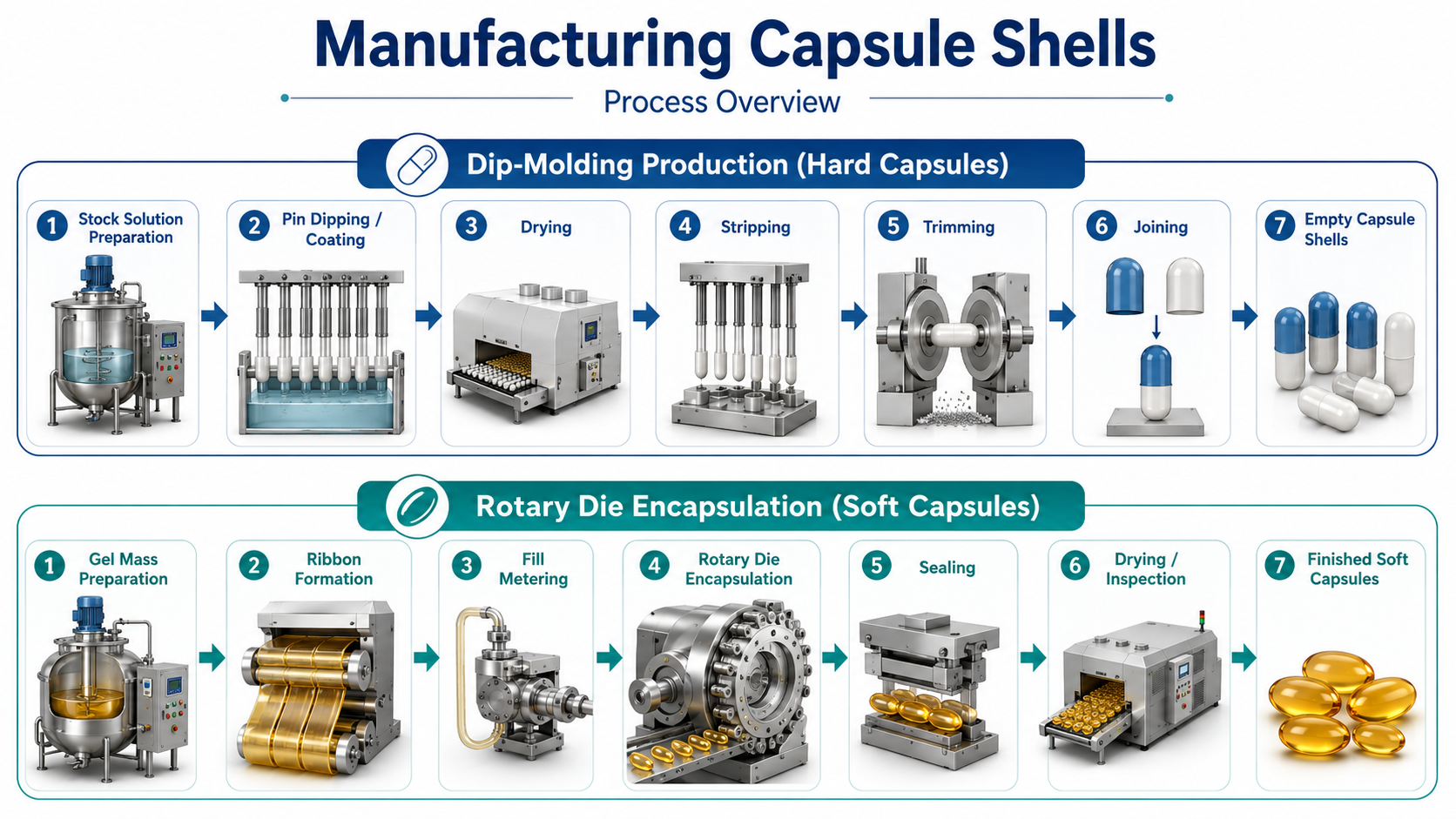
In hard capsule production, the liquid shell material is poured over metal pins or molds shaped like capsule halves. The pins dip into the gelatin or HPMC solution, coating them evenly. After drying, the formed shells are stripped off the pins and trimmed to size. These shells come as separate caps and bodies, ready for filling.
Soft Capsules (Softgels):
Soft capsules are formed using rotary die technology. Two sheets of gelatin or HPMC are fed between rotating dies that shape the capsule. Simultaneously, the fill material—usually liquid or semi-solid—is injected between the sheets. The dies seal the edges, creating a seamless, hermetically sealed softgel in one continuous process.
Hard Capsule Filling:
Hard capsules are filled using automated capsule filling machines. The two capsule halves are separated, and the body is filled with powders, granules, pellets, or sometimes liquids (in the case of liquid-filled hard capsules). After filling, the cap is placed on the body, and the capsule is locked securely. Machines use precise dosing systems to ensure consistent fill weight and avoid spillage.
Soft Capsule Filling:
Softgel encapsulation machines handle forming, filling, and sealing in one step. The fill material’s viscosity and temperature are carefully controlled to ensure smooth encapsulation. The sealed softgels then pass through drying tunnels to remove excess moisture, stabilizing the capsule shell.
Quality control is vital at every stage to guarantee safety and efficacy:
Shell Inspection: Checking for uniform thickness, strength, and absence of defects like cracks or holes.
Fill Weight Verification: Ensuring each capsule contains the correct dose.
Sealing Integrity: For softgels, testing the hermetic seal to prevent leaks.
Dissolution Testing: Confirming capsules dissolve properly to release medicine.
Microbial Testing: Ensuring capsules are free from contamination.
Visual Inspection: Automated systems detect discoloration, deformation, or foreign particles.
These tests comply with regulatory standards such as cGMP to maintain consistent product quality.
Once capsules pass quality checks, they move to packaging. Packaging protects capsules from moisture, oxygen, and light, which can degrade the medicine. Common packaging formats include:
Blister Packs: Individual capsules sealed in plastic and foil, offering excellent protection and dose tracking.
Bottles: Capsules packed in plastic or glass containers with desiccants to control humidity.
Labels provide essential information: dosage instructions, batch numbers, expiration dates, and regulatory compliance marks. Packaging design also considers patient convenience, tamper evidence, and branding.
Tip: Optimize capsule manufacturing by aligning shell material, filling technology, and packaging to enhance product stability and streamline production efficiency.
Pharmaceutical capsules have become a cornerstone of modern medicine. Their unique features offer many benefits that improve how patients take their medicine and how drugs perform. Let’s explore the key advantages that make capsules so essential.
Capsules have smooth, rounded surfaces that make them easier to swallow than tablets or powders. This is especially helpful for children, elderly patients, and anyone who struggles with swallowing pills. Because capsules slide down the throat more easily, patients are more likely to take their medicine as prescribed, improving treatment outcomes.
Many medicines have bitter or unpleasant tastes. Capsules completely enclose the drug, preventing direct contact with the tongue. This taste masking enhances the overall consumer experience, encouraging patients to continue their medication without hesitation. This feature is especially important for pediatric medicines and dietary supplements.
Capsules provide precise control over the amount of medicine delivered. Each capsule contains a carefully measured dose, ensuring that patients receive the correct amount every time. This accuracy helps avoid underdosing or overdosing, which can affect the medicine’s effectiveness or cause side effects.
Capsules protect medicines from environmental factors like moisture, oxygen, and light. Hard capsules shield powders and granules from humidity, preventing clumping or degradation. Soft capsules hermetically seal oils and liquid medicines, reducing oxidation and spoilage. This protection extends the shelf life of medicines, keeping them effective longer.
Capsules are portable and easy to package. They don’t require refrigeration like many liquid medicines and are less bulky than bottles of syrup or suspensions. Manufacturing capsules is generally cost-effective, especially for large-scale production. Their convenience and affordability make them a practical choice for both manufacturers and patients.
Tip: To enhance patient adherence, consider capsule formulations that combine ease of swallowing and effective taste masking, especially for pediatric and geriatric populations.
Selecting the right capsule type is crucial for ensuring your medicine or supplement performs well and meets patient needs. Several factors influence this decision, ranging from the drug’s properties to regulatory requirements.
The choice depends largely on the physical form of the medicine and its stability needs. For example:
Powdered or granular drugs often suit hard capsules due to ease of filling and protection.
Liquid or semi-solid formulations require soft capsules or liquid-filled hard capsules.
Special release profiles like delayed or extended release may need enteric-coated or multiparticulate capsules.
Patient preferences also matter. Capsules easier to swallow or those that mask taste can improve compliance. Manufacturing scale and cost considerations will influence whether hard or soft capsules are more practical.
Capsule shells must be compatible with the active ingredients and excipients inside. Some APIs may react with gelatin or HPMC, causing degradation or shell brittleness.
Moisture-sensitive APIs often pair better with HPMC capsules, which have lower moisture content.
Oily or liquid fills require shells with strong sealing properties, favoring softgels or liquid-filled hard capsules.
pH-sensitive drugs may need enteric-coated capsules to protect from stomach acid.
Testing shell–fill compatibility early in development helps avoid stability issues and ensures consistent drug release.
Capsule size affects dosing convenience and patient acceptance. Sizes range from very small (size 5) to large (size 000). Selecting the right size balances dose volume and swallowability.
Color and finish impact branding and patient perception. Opaque capsules protect light-sensitive drugs, while clear capsules showcase the fill. Custom printing on capsules can enhance brand recognition and prevent counterfeiting.
Capsules must maintain integrity during storage and transport. Gelatin capsules require controlled humidity (35–65% RH) and temperature (15–25°C) to avoid brittleness or stickiness.
HPMC capsules tolerate wider humidity ranges (up to ~70% RH) and may be better for humid climates or moisture-sensitive formulations.
Packaging plays a vital role. Blister packs and moisture-barrier bottles help preserve capsule quality.
Capsule manufacturers must comply with regulatory standards like cGMP and pharmacopeial monographs (USP, EP). This includes:
Ensuring capsule shell materials meet safety and purity criteria.
Validating manufacturing processes for consistent dosing and shell integrity.
Conducting stability and dissolution testing per regulatory guidelines.
Proper labeling that includes size, material, and storage instructions.
Choosing capsules from reputable suppliers with regulatory certifications reduces risk and facilitates product approval.
Tip: Early collaboration between formulation scientists and capsule suppliers helps select capsule types that optimize stability, manufacturability, and patient acceptance, preventing costly reformulations later.
The capsule industry is evolving rapidly, driven by new technologies and growing demands for sustainability and efficiency. These trends promise to reshape how capsules are made and used, enhancing their benefits for patients and manufacturers alike.
Sustainability is a top priority. Manufacturers focus on reducing waste, energy use, and environmental impact throughout production. Many are adopting greener practices such as:
Using renewable energy sources in factories
Minimizing water consumption
Recycling materials and reducing packaging waste
Sourcing raw materials responsibly, including gelatin from sustainable farms and plant-based alternatives
These efforts help companies meet regulatory environmental standards and appeal to eco-conscious consumers.
Capsule materials are becoming more eco-friendly. Biodegradable capsules break down naturally after use, reducing pollution. Innovations include:
Capsules made from plant-based polymers like HPMC and pullulan, which degrade faster than traditional gelatin
Development of new biopolymers that combine strength and biodegradability
Edible capsules that eliminate waste entirely
These materials maintain capsule performance while supporting environmental goals.
Capsules are becoming smarter in how they deliver medicine. New technologies allow precise control over where and when drugs release, improving effectiveness and reducing side effects. Examples include:
Multi-chamber capsules that keep ingredients separate until ingestion
Capsules with coatings that dissolve at specific pH levels or time intervals
Nanotechnology-based capsules that target drugs to specific cells or tissues
3D-printed capsules customized for individual patients’ needs
These innovations expand treatment options and personalize medicine.
Automation is transforming capsule manufacturing. Advanced machines improve speed, accuracy, and consistency, reducing errors and costs. Key developments:
Fully automated capsule filling lines that handle hard, soft, and liquid-filled capsules
Real-time monitoring systems for quality control, detecting defects instantly
Robotics for handling delicate capsules and packaging
Integration of AI and machine learning to optimize production parameters
Automation enables high-volume production while maintaining strict quality standards, essential for pharmaceutical compliance.
Tip: Invest in capsule manufacturing technologies that combine sustainability with automation to future-proof your production and meet evolving regulatory and market demands.
Capsules improve medicine delivery by offering ease of swallowing, precise dosing, and protection of sensitive drugs. Understanding different capsule types helps in selecting the best option for patient needs and drug stability. As capsule technology advances, innovations enhance targeted release and sustainability. The company Marya provides high-quality capsules designed to meet diverse pharmaceutical requirements, ensuring optimal drug performance and patient compliance. Their products combine innovation with reliability, supporting effective healthcare solutions.
A: Capsules are oral dosage forms that enclose medicine in a shell. Main types include hard capsules for powders, soft capsules for liquids, and specialized capsules like enteric-coated or extended-release for targeted delivery.
A: Gelatin capsules are animal-based, dissolve quickly, and need controlled humidity. HPMC capsules are plant-based, more stable in moisture, and suitable for vegetarians.
A: Capsules offer easier swallowing, taste masking, precise dosing, and better protection of sensitive medicines.
A: Hard capsules are formed on molds and filled with powders or liquids; soft capsules are formed and filled simultaneously using rotary dies.
A: Innovations include biodegradable materials, multi-chamber capsules, targeted release coatings, and automated production systems.