Views: 0 Author: Site Editor Publish Time: 2026-07-22 Origin: Site
The main difference between drug and medicine lies in their purpose and use. A drug is any substance that alters how the body functions, while a medicine is a drug specifically designed to prevent, treat, or cure illness. Many people confuse drug vs medicine because medicines often originate as drugs during scientific research. Understanding the distinction between drug vs medicine is essential for maintaining safety and health.
Key Point | Explanation |
|---|---|
The FDA evaluates drug vs medicine to ensure that medicines provide more benefits than risks, which is crucial for everyone’s well-being. | |
Risk-Benefit Ratio | Medicines are approved when the advantages outweigh the disadvantages, but this does not guarantee absolute safety in the drug vs medicine context. |
Adverse Drug Reactions | Awareness of side effects is important, as all drugs—including medicines—can sometimes cause harm. |
Learning these facts helps you clearly understand the difference between drug vs medicine in everyday life.
Table of Contents
Drugs are things that change how the body works. Medicines are drugs made to help or stop sickness. Medicines go through careful checks to make sure they are safe and work well. Many drugs do not have these checks. Knowing how drugs and medicines are different helps people make smart health choices. It also helps them not use drugs the wrong way. Every medicine is a drug, but not every drug is a medicine. This difference is important for staying safe with healthcare. Knowing about side effects and listening to doctors can help people stay safe when using drugs and medicines.
Drugs are chemicals that change how your body or mind works. Scientists use drugs to study how things work in the body. Doctors use drugs to help people with health problems. Some people use drugs for fun, and some use them in illegal ways. When people talk about drugs, they mean things that can affect the body in many ways. Drugs can look like powders, pills, or things you inject. Some drugs can be abused and make people want to use them again and again. Not all drugs are safe, and some can cause side effects or changes you do not expect. Some drugs are not watched closely by health groups, and you can get them without special approval.
Medicines are drugs made to stop, treat, or cure diseases. When people ask about medicines, they want to know what helps people get better or stay healthy. Medicines are always used to help people feel better. You can find medicines as tablets, capsules, or syrups. Medicines must be checked and approved by groups like the FDA, CDSCO, or EU before people can buy them. These rules make sure medicines are safe and work well. You can get medicines with a prescription or sometimes over the counter, depending on how safe they are. The main job of medicines is to help people get healthy and recover.
It is important to know the differences between drugs and medicines for your health and safety. Every medicine is a drug, but not all drugs are medicines. Drugs can be used for research, fun, or even illegal things. Medicines are only used to help prevent, treat, or cure diseases. Medicines have strict rules, but drugs might not. Medicines go through a careful approval process to make sure they are safe. Some drugs can be abused, but medicines are made to lower this risk. The table below shows the main differences between medicines and drugs:
Aspect | Drugs | Medicines |
|---|---|---|
Definition | Chemical substances used for medicinal or recreational purposes | Chemical substances intended for treatment, prevention, or cure of diseases |
Context | Used in medicinal, recreational, research, or illegal contexts | Used in therapeutic contexts for prevention, treatment, and cure |
Purpose | Can be for research, medicinal, or other reasons | Always for therapeutic purposes |
Prescription | Can be purchased with or without prescriptions | Can only be purchased with prescriptions or over the counter |
Found in powders, injectables, pills | Found in tablets, capsules, syrups, etc. | |
Regulations | Not strictly regulated by bodies | Strictly regulated by bodies like FDA, CDSCO, EU |
Approval Process | Used without approval | Used upon approval by regulatory bodies |
Usage | May be medicinal or non-medicinal | Always medicinal (therapeutic) |
Potential for Abuse | High potential for abuse, habit-forming | Minor potential for abuse |
Social Impact | Can have positive (cure) or negative (addiction) impacts | Positive social impact (prevention, cure, treatment) |
Overlap Use | Some have overlapping effects (e.g., cannabis, opioids) | Some have overlapping effects (e.g., cannabis, opioids) |
Side Effects | Major side effects (habit-forming, unexpected changes) | Minor and major side effects (e.g., nausea, liver failure) |
Controls | Controlled by prescription sales | Controlled by strict regulations |
Examples | Cannabis, Opium, Marijuana | Antibiotics, Paracetamol |
Note: Knowing how drugs and medicines are different helps people make safer choices and understand why rules are important in healthcare.
The drug vs medicine topic shows that medicines are a special kind of drug. They focus on safety, rules, and helping people get better. These differences show why drugs and medicines are not the same, even if they sometimes seem alike. Knowing what drugs and medicines are is important for anyone who cares about health, treatment, or curing diseases.
Knowing how drugs and medicines are sorted helps us see their differences. Each country has its own way to organize them. These systems change how people get and use them. The table below shows how some countries sort drugs and medicines:
Country | Classification System Description |
|---|---|
Canada | Four drug groups, but rules are not the same everywhere; for example, BTC in British Columbia and OPS in Quebec. |
Malaysia | Has four groups under the Poison Act; only groups B and C are for medical use. |
Philippines | Three groups for prescription drugs: dangerous drugs, exempted dangerous drugs, and prescription-only medicines. |
General | Sorting can be by active ingredient or by brand, and each way has good and bad points. |
Drugs can be sorted by where they come from, their rules, or how they are used. Medicines are often called essential, generic, branded, biologics, or biosimilars. This means the drug vs medicine difference depends on what they are for and the rules they follow.
Why people use drugs and medicines is a big difference. Drugs might change how the body works, help with science, or be used for other reasons. Medicines are always for stopping, treating, or curing sickness. The main effects are:
Drugs can cause bad reactions, called adverse drug reactions, that can hurt health or even cause death.
Medicines are made to help people and must pass tough safety tests before they are allowed.
Some drugs can be misused, but medicines have rules to stop this.
Checking for side effects early is important for both drugs and medicines to keep people safe.
These differences show why strong rules are needed for drugs and medicines.
How drugs and medicines are made and given also shows their differences. They come in many forms, but medicines have stricter rules. The table below lists common ways to take them:
Delivery Method | |
|---|---|
Oral | Tablets, Capsules, Liquids, Gels |
Parenteral | Shots under the skin or in muscle |
Inhalation | Sprays or things you breathe in |
Topical | Creams, Ointments, Gels |
Rectal | Suppositories |
Mucosal | Nasal sprays, Lozenges, Tablets |
Groups that make rules check that medicines are safe, work well, and are made right. They also control how medicines are made and given to people. This makes sure medicines are safe for stopping, treating, and curing sickness, but drugs might not always be as safe.
Note: Knowing the main differences between drugs and medicines helps people make smart choices and stay away from unsafe or risky products.
Drugs and medicines are used in different ways. Medicines help stop sickness, cure it, or make people feel better. They help people get well and stay healthy. Drugs can be used by doctors, but some are used for other reasons. Some drugs are illegal or are used in the wrong way. People sometimes take too much medicine or use it for fun. This can be dangerous. Drugs that are not watched closely can be abused more easily. The main differences between drugs and medicines are how they are used and if they can be abused.
Medical uses:
Prescription medicines treat diseases.
Over-the-counter medicines help with common problems.
Non-medical uses:
Illegal drugs like heroin or cocaine.
Taking more medicine than you should.
Using medicine for reasons other than getting better.
If a drug is made right and taken the right way, it can help people. But using drugs the wrong way can hurt you.
Groups like the FDA and EMA make sure drugs and medicines are safe. They check every medicine before people can use it. The table below shows how these groups look at drugs and medicines:
Agency | Application Type | Evaluation Process | Validation Time | Approval Time |
|---|---|---|---|---|
EMA | Marketing Authorisation Application (MAA) | Checked by CHMP and CAT | 2 months for extra info | Not listed |
FDA | New Drug Application (NDA) / Biologics License Application (BLA) | First review in 14 days, then 6-10 months to check | 14 days for filing problems | 6-10 months |
These groups also check how medicines are made and tested. They watch for problems after people start using them. Marya helps drug companies by giving them special machines and clean rooms. This helps make sure medicines follow the rules.
Some drugs and medicines need a doctor’s note. Others can be bought at the store. This depends on things like how hard it is to find out what is wrong, if the medicine can cause bad effects, how well it works, and if insurance pays for it. The table below shows what matters:
Criteria | Description |
|---|---|
Diagnostic considerations | Medicines for hard-to-find problems need a prescription. |
Potential adverse effects | Bad side effects mean you cannot buy it over the counter. |
Efficacy concerns | Medicines that do not work well are not sold at stores. |
Timeliness | Some medicines are sold at stores if people need them fast. |
Funding implications | Insurance may not pay for store-bought medicines, so people have to pay themselves. |
Many people buy over-the-counter drugs to save money. These drugs cost less than prescription ones. But some health problems still need a doctor’s help and a prescription. Marya works hard to make sure all medicines are safe and work well.
Note: Knowing how drugs and medicines are different, and how rules keep them safe, helps people make smart choices and stay healthy.
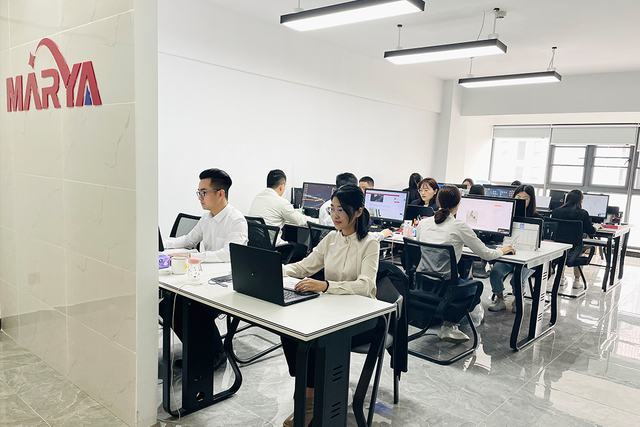
Shanghai Marya is a top company for making drugs and medicines. They help by giving special machines and clean rooms to factories. These tools use new technology to make the work better and faster. This helps make sure drugs and medicines are good at every step. Marya also checks how much pollution is made by different ways of making things. They want to help the planet by making less waste. The company makes sure all drugs and medicines are safe and work well. Marya’s team builds machines for vials, pre-filled syringes, and cartridges. These are important for making medicines that help people get better. Their systems also stop people from misusing drugs by having strong rules during production.
Marya’s machines make drug and medicine factories work better.
Every part of the process is made safer and higher quality.
They check for pollution and try to make less of it.
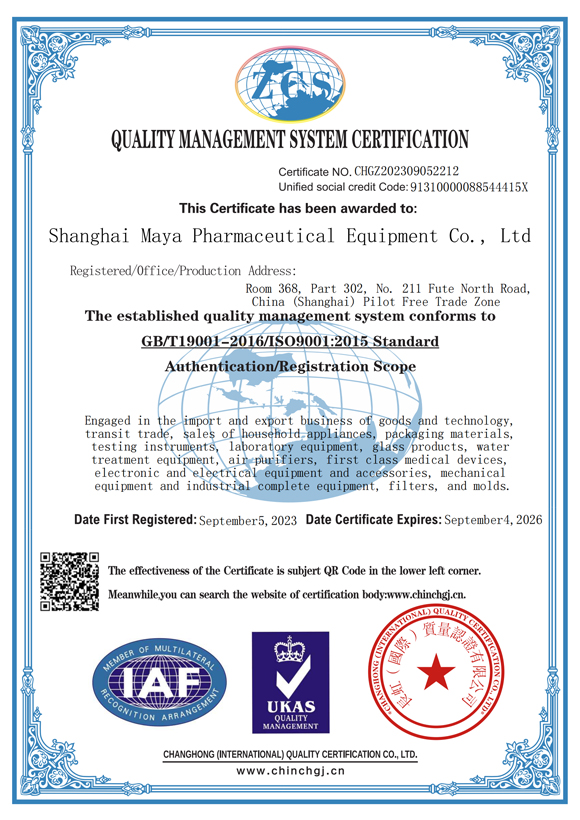
Quality and following rules are very important when making drugs and medicines. Marya always follows the rules to keep patients safe. They use a system that checks quality and meets world standards. Groups that make rules want strong checks to stop misuse and make sure medicines work. Marya’s workers know a lot about these rules and help others follow them. They help companies get ready for checks and follow the rules from start to finish.
Standard | Description |
|---|---|
Gives steps to keep quality the same every time. | |
ICH Q10 | Makes sure quality is checked during the whole time a medicine is made. |
GxP Regulations | Keeps patients safe and checks quality with strong rules. |
Marya’s special machines help keep medicines clean and safe. They use careful steps to stop germs from getting in. Clean rooms, isolators, and filling lines keep everything germ-free. This lowers the chance of people getting sick from dirty medicines. By using these clean ways, Marya makes sure drugs and medicines are safe for people. This helps people get better and stay healthy. Marya works hard to make sure medicines are not easy to misuse and that they help people.
Marya’s hard work and smart ideas make it a trusted helper for drug companies all over the world.
Knowing the difference between drugs and medicines is very important for safe healthcare. The table below shows the main ways they are not the same:
Aspect | Drugs | Medicines |
|---|---|---|
Purpose | Affect body functions | Treat or prevent disease |
Usage | Research, treatment, or other uses | Therapeutic use only |
Regulation | Strict standards | Extra approval for safety and stability |
Side Effects | May cause addiction or long-term harm | Well-documented, limited side effects |
Both patients and doctors do better when they talk clearly and follow treatment plans. Always check your list of medicines and keep them in a safe place. Ask your healthcare provider if you have questions. Shanghai Marya works hard to make sure medicines are safe and follow the rules everywhere.
A drug changes how your body works. A medicine is a drug made to help treat, stop, or cure sickness. Medicines must go through tough safety checks.
No. Only drugs that are safe and work well become medicines. Many drugs are used for science or fun and never become medicines.
Medicines must pass safety tests, but some can cause side effects. Always follow instructions and ask a healthcare provider if you have questions.
Marya Solution | Benefit |
|---|---|
Cleanroom Technology | Keeps medicines germ-free |
Filling Lines | Ensures accurate dosing |
Compliance Support | Meets global standards |