Views: 0 Author: Site Editor Publish Time: 2026-07-16 Origin: Site
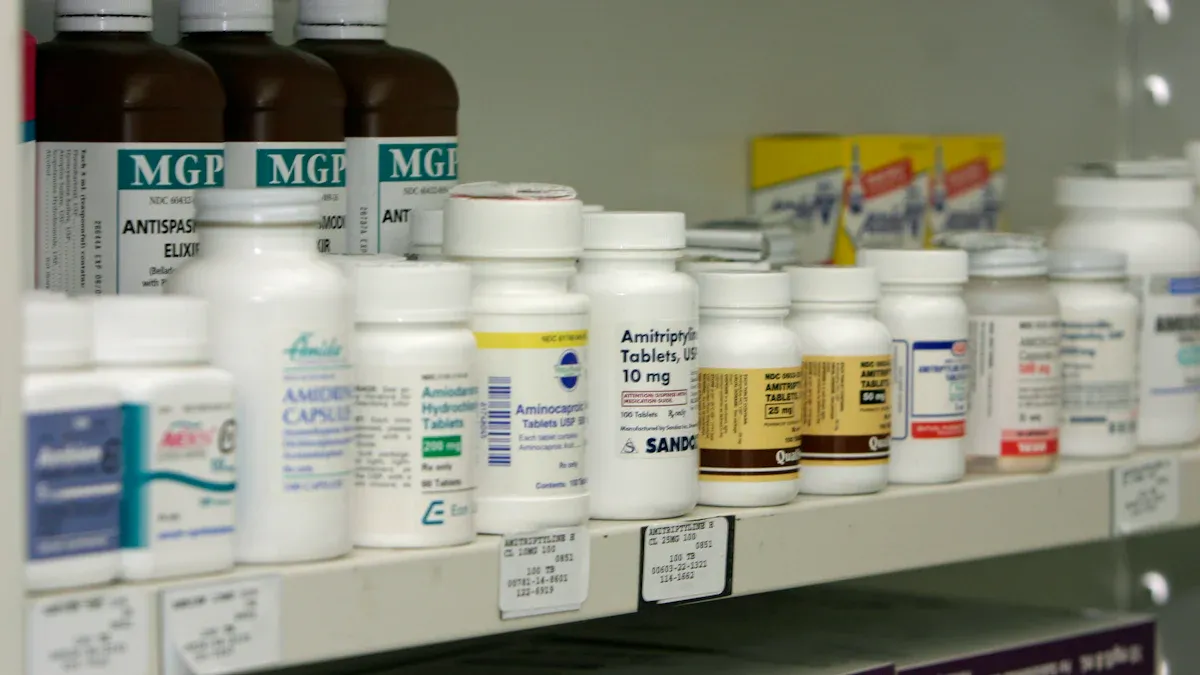
You use a pharmaceutical bottle to keep medicine safe. The right bottle protects your medicine from water and sunlight. Picking the right bottle helps you follow safety rules. You can find plastic, glass, and special bottles in hospitals and pharmacies. Companies like marya make sure packaging is strong and works well. More people need medicine, and online pharmacies are growing fast, so the market for these bottles is getting bigger.
The worldwide market for pharmaceutical plastic bottles may grow from USD 8.27 billion in 2023 to USD 13.92 billion by 2033.
More biopharmaceuticals and online pharmacy sales make people want more bottles.
Safety rules and ways to stop fake products help the market grow.
Table of Contents
Pharmaceutical bottles keep medicine safe from light, air, and water. This helps the medicine work well and stay safe.
Pick the right bottle type, like plastic, glass, or special bottles. The choice depends on what the medicine needs and how to keep it safe.
Check for safety features such as child-resistant caps and tamper-evident seals. These features stop accidents and help people trust the medicine.
Think about the environment when picking bottles. Choose bottles that can be recycled to cut down on trash and help the planet.
Know why following FDA and USP rules is important. These rules make sure the packaging is safe and works well.
Check how long your medicine will last. Pick bottles that block outside things to keep the medicine good.
Work with trusted suppliers like marya for good advice and many bottle choices.
Keep learning about new trends and rules in pharmaceutical packaging. This helps you make the best choices for your products.
When picking a pharmaceutical bottle, you should know the types. Each type helps keep medicine safe and protects people. Bottles can be made from plastic, glass, or have special safety features. Let’s see how each group is used in the pharmaceutical industry.
Plastic bottles are used a lot in hospitals and pharmacies. They are light and strong. They are also easy to use. You can find them in many shapes and sizes. The most common plastics for these bottles are HDPE, LDPE, PET, PP, and some specialty plastics like PVC.
HDPE bottles are tough and keep out water. They are good for pills, capsules, and powders. HDPE keeps medicine safe from air and water. Many vitamin bottles use HDPE because it is strong and protects well.
LDPE bottles are softer and bend more than HDPE. You often see LDPE in squeeze and dropper bottles. LDPE is good for eye drops and nasal sprays. You can squeeze the bottle to get the medicine out.
PET bottles are clear and strong. You can see the medicine inside. This helps you know what is in the bottle. PET bottles are good for liquid medicines like syrups and solutions. They are used a lot in the pharmaceutical bottle market.
Did you know?
PET bottles make up about 38.4% of the pharmaceutical bottle market. Their clear look and strength make them a top pick for many liquid medicines.
PP bottles can handle high heat. You can sterilize them easily. PP bottles work for both liquids and solids. Many caps and closures use PP because it stays strong when hot.
Some bottles use special plastics like PVC. These bottles can resist chemicals or have special shapes. You might see them used for some liquid medicines or for packaging that blocks light.
Unique Properties | Typical Uses | |
|---|---|---|
HDPE | Moisture-resistant, strong | Pills, capsules, powders |
LDPE | Flexible, squeezable | Eye drops, nasal sprays |
PET | Clear, strong, good barrier properties | Syrups, oral solutions |
PP | High melting point, good for sterilization | Closures, some liquid and solid medicines |
PVC | Chemical resistance, special shapes | Specialty liquid medicines |
Glass bottles are safe for storing sensitive medicines. They do not react with most drugs. There are three main types of glass bottles in the pharmaceutical industry.
Type I borosilicate glass bottles resist chemicals very well. You can use them for injectables and sensitive drugs. They can handle quick changes in temperature. They are good for advanced medicines.
Type II glass bottles are made from soda-lime glass with a special treatment. This makes them better at resisting water and chemicals. You often see Type II bottles used for IV solutions and some liquid medicines.
Type III glass bottles are the most basic kind. They cost less and work for non-water-based medicines. You should not use them for sensitive or injectable drugs.
Note:
Glass bottles are heavier and break easier than plastic bottles. They also take more energy to make. But they are best for drugs that need extra chemical protection.
Some bottles have special features to keep medicine safe and easy to use. These bottles help you follow safety rules and protect people.
Child-resistant bottles have caps that are hard for kids to open. These designs help stop accidents at home. You can find these bottles for many over-the-counter and prescription medicines.
Feature | Contribution to Safety | Regulatory Standard |
|---|---|---|
Prevent accidental ingestion by children | ISO 8317, 16 CFR 1700.20 |
Tamper-evident bottles show if someone opened the bottle before you. These features help you trust your medicine is safe and untouched.
Feature | Contribution to Safety | Regulatory Standard |
|---|---|---|
Tamper-Evident Features | Show if the product has been opened or changed | Safety regulations |
Dropper bottles let you measure and give small amounts of medicine. You often use them for eye drops, ear drops, or liquid medicines that need careful dosing.
Packer bottles have wide mouths. You can fill them easily with tablets, capsules, or vitamins. These bottles often use HDPE or PET for strength and chemical resistance. They work well for dietary supplements and over-the-counter medicines.
Tip:
When picking a pharmaceutical bottle, think about the medicine, how it will be used, and who will use it. Companies like marya have many choices to help you find the best one for your needs.
When you pick a pharmaceutical bottle, you must think about how each kind works. Plastic, glass, and specialty bottles all have their own good points. You want to choose the one that keeps your medicine safe and simple to use.
Here is a table that shows the main differences:
Type of Bottle | Advantages | Disadvantages |
|---|---|---|
Glass | - Chemically resistant | - Fragile |
Plastic | - Lightweight | - Possible chemical interactions |
Tip:
Glass bottles are best for medicines that need strong protection. They keep out air and chemicals. Plastic bottles are good when you want something light and tough. They are also easy to shape.
Specialty bottles, like child-resistant and tamper-evident ones, give extra safety. You use these bottles to protect kids or to show if someone opened the bottle. Dropper bottles help you give the right amount of medicine. Packer bottles are good for storing tablets and vitamins.
When you choose a bottle, think about these things:
How stable your medicine is. Some drugs need strong barriers.
The rules and standards. Your packaging must follow the law.
The safety of the material. Glass does not react with most drugs. Plastic is lighter and costs less.
How long your medicine will last. Good packaging keeps it fresh.
How you will ship and store the bottles. Lighter bottles cost less to ship.
The risk of contamination. A strong, sealed bottle keeps medicine clean.
Note:
Picking the right bottle helps you follow safety rules. It also keeps your medicine working well. If you pick the wrong bottle, your medicine might not work or could be unsafe.
You should always match the bottle to your medicine and how people will use it. Companies like marya have many choices, so you can find the best one for your needs.
A good bottle keeps medicine safe from changes. Chemical resistance stops drugs from going bad from water, air, light, or heat. If the bottle does not resist chemicals, the medicine can lose strength or become unsafe. Always check if the bottle matches the medicine inside. Studies show that switching bottles can change how long medicine lasts. The new bottle must protect as well as the old one.
A strong bottle keeps medicine safe during shipping and storage. Physical integrity means the bottle does not break easily. Strength and flexibility help the bottle survive drops and bumps. The seal keeps medicine inside and blocks air or water. Plastic bottles are light and tough, so they are used a lot. They help keep medicine safe and stable.
Physical integrity keeps medicine safe.
Strength and flexibility help bottles last.
Good seals protect the contents.
Barriers stop water and air from getting in.
Some medicines get ruined by light. UV protection keeps sunlight from hurting the medicine. You can pick bottles in different colors to block light. Amber and opaque bottles are good for light-sensitive drugs. Colors also help you tell medicines apart. Pick a bottle that fits your medicine’s needs.
Medicine should be kept away from children. Child-resistant caps make bottles hard for kids to open. These caps help stop accidents at home. Many drugs must have child-resistant packaging by law. Always check for this feature when choosing a bottle.
You want to know if someone opened your medicine. Tamper-evident seals show if the bottle was changed or opened. These seals help you trust your medicine is safe. Laws require tamper-evident packaging for many products.
A good bottle keeps medicine clean and safe. Airtight and leak-proof bottles block air, water, and light. Special seals keep medicine fresh and stop germs from getting in. These features protect medicine from outside harm.
You must follow strict rules when picking a pharmaceutical bottle. The FDA and USP make rules for safety, labels, and packaging. These rules make sure bottles do not harm the medicine or people. The FDA says packaging must keep medicine safe until it expires. Some drugs must have child-resistant and tamper-evident packaging. The FDA also wants clear labels and tracking.
Compliance Aspect | Description |
|---|---|
Packaging materials must not compromise drug safety. | |
Consumer Protection | Packaging protects users from hazards. |
Stability Throughout Shelf Life | Packaging keeps medicine safe for its intended shelf life. |
Correct Labelling and Traceability | Products must be labeled accurately and traced through the supply chain. |
Material Safety Validation | Materials must be safe for drug contact. |
Child-Resistant Closure Compliance | Packaging must be hard for children to open. |
Tamper-Evident Systems | Packaging must show if the product has been tampered with. |
Clear labels help you avoid mistakes. Labels show the drug name, strength, dose, expiration date, and how to store it. Traceability lets you track the bottle from the factory to the pharmacy. Good records help you follow the law and keep patients safe. You must keep batch records and follow label rules to meet laws.
Tip:
Companies like marya care about quality and new ideas. They make sure every pharmaceutical bottle meets strict safety and law standards.
You help the planet by picking bottles that can be recycled. Glass bottles can be recycled many times and stay strong. PET bottles can also be recycled, but it depends on where you live. HDPE bottles are used a lot because most recycling centers take them. When you choose bottles that can be recycled, you make less trash and help keep the earth clean.
Here is a table that lists important environmental facts about pharmaceutical bottles:
Environmental Factor | Description |
|---|---|
Recyclability | Glass can be recycled again and again without losing quality. PET is recyclable but depends on the area. |
Carbon Footprint | Light plastics lower pollution from shipping. The total effect depends on many things. |
Reuse & Refill Models | Glass is good for refilling. Strong plastics can be reused if kept clean. |
Material Innovations | New biobased and recycled plastics help the planet. Lighter glass is better for the environment. |
Tip:
You can ask your supplier if bottles use recycled materials or if they are easy to recycle. Companies like marya have options that help you reach your green goals.
You help the earth when you pick bottles made from green materials. Many pharmaceutical companies now use eco-friendly bottles because people and laws want better choices. Old packaging often mixes materials, which makes recycling hard and creates more trash. Making bottles can cause a lot of CO₂, so companies try to lower their pollution.
You see more bottles made from plants and recycled plastics.
Companies use lighter bottles to make shipping cleaner.
Green packaging follows rules and helps nature.
Some HDPE and PET bottles use recycled stuff.
The FDA wants companies to think about the earth when choosing packaging.
Note:
When you pick green bottles, you help cut down on trash and make the world healthier. Marya works with customers to find bottles that are safe and good for the planet.
You often see tablets stored in bottles at pharmacies. These bottles keep tablets dry and safe from air and moisture. You can open and close them easily. Most bottles for tablets use strong plastics like HDPE or PET. Some use glass for extra protection. You may notice child-resistant caps and tamper-evident seals on these bottles. These features help keep children safe and show if someone opened the bottle before you.
Capsules need the same care as tablets. You want to keep them away from water and light. Bottles for capsules use materials that do not react with the medicine. You can find them in many sizes. The wide mouth of the bottle helps you pour out the capsules without spilling. You also see safety caps and seals on these bottles.
Powders need special bottles to stay dry and fresh. You should use bottles that block moisture and air. Some powders come with scoops or measuring caps. This helps you use the right amount each time. You may see both plastic and glass bottles for powders. The bottle must keep the powder from clumping or losing strength.
Tip:
When you pick a bottle for solid medicines, look for strong materials and safety features. These bottles protect your medicine and make it easy to use.
Pharmaceutical bottles for solid forms:
Hold, protect, and preserve tablets, capsules, and powders.
Keep medicine strong and safe.
Use safety features like child-resistant caps and tamper-evident seals.
Use materials like glass, HDPE, and PET.
You use syrups for coughs and other illnesses. These bottles must keep the syrup pure and safe. The bottle should not react with the syrup. Many syrup bottles use PET or glass. Some syrups need dark bottles to block light. You may see a measuring cup or spoon with the bottle.
Solutions are clear liquids with medicine mixed in. You need bottles that do not change the medicine. Some solutions have ingredients that break down in light. These need amber or dark bottles. The bottle must close tightly to keep the solution fresh.
Suspensions have tiny bits of medicine floating in liquid. You must shake the bottle before use. The bottle should be strong and seal well. Some suspensions need protection from light or air. You may see a special cap or dropper for easy dosing.
For liquid medicines:
Use bottles that do not react with the liquid.
Pick light-resistant bottles for light-sensitive drugs.
Choose tightly closed bottles for volatile ingredients.
Make sure the bottle is clear enough for you to check the medicine.
You find vials in hospitals and clinics. Vials hold medicine for shots or infusions. Most vials use borosilicate glass. This glass does not react with the medicine. It can handle heat during sterilization. Vials keep the medicine pure and safe.
Ampoules are small glass containers for single doses. You break the top to open them. Ampoules use strong glass that does not let air or germs in. They protect sensitive drugs from light and air. You see ampoules for vaccines and special treatments.
For injectable products:
Use borosilicate glass for high chemical resistance.
Pick glass for its barrier properties and safety.
Choose vials and ampoules for sterile and sensitive medicines.
Note:
You should always match the pharmaceutical bottle to the type of medicine. This keeps your medicine safe, strong, and easy to use.
Pharmaceutical bottles keep creams and ointments safe. These bottles stop germs and air from getting in. Most ointments come in tubes or jars made of plastic or glass. Ointment bottles often have wide mouths for easy scooping. Some ointments feel greasy and can make your vision blurry for a bit. You use ointments less than water-based creams because they stay on your skin longer.
Ophthalmic ointments need extra care to stay clean. You must keep them sterile since they go near your eyes. Manufacturers use clean rooms and special ways to sterilize these bottles. The excipients in these ointments are like regular ointments, but they must be safe for your eyes.
Here is a table that shows how pharmaceutical bottles are made for topical and ophthalmic uses:
Aspect | Details |
|---|---|
Sterility | Ocular medicines are sterile and need to stay clean for many uses. |
Sterilization Methods | Moist-heat sterilization is used if the medicine can handle it. |
Packaging | Bottles are made and packed in clean places to keep them sterile. |
Ointment Characteristics | Ophthalmic ointments are greasy, blur vision for a short time, and are used less than water-based ones because they last longer on the eye. |
Excipients | They use similar ingredients as regular ointments, but must be safe for eyes and stay sterile. |
You use eye drops to treat many eye problems. These bottles must keep the medicine clean and easy to use. Most eye drop bottles are made from LDPE plastic. You can squeeze the bottle to get the right amount. The tip helps you control each drop. Manufacturers fill and pack eye drops in clean rooms to keep out germs. Some eye drops come in single-use bottles for sensitive medicines. Some bottles have special caps to stop leaks and keep the medicine fresh.
Tip:
Always check if the bottle is sealed and clean before using eye drops. This keeps your eyes safe from infection.
Pharmaceutical bottles for controlled substances must keep the medicine safe and easy to track. These bottles have special seals and labels. These features help stop misuse and show if someone opened the bottle. Some bottles use smart packaging with sensors to watch storage conditions. You may see booklet labels with QR codes for extra help. These labels teach you how to use the medicine safely.
Clinical trials need bottles that protect the medicine and help researchers track use. You see just-in-time packaging that matches how much is needed. This helps cut down on waste and saves resources. Smart packaging lets you collect real-time data about how patients use the medicine. You get written and video instructions with the bottles. These instructions help you follow the treatment plan and take your medicine the right way.
Booklet labels give you more information and support.
Just-in-time packaging cuts waste and matches supply to demand.
Real-time data collection helps researchers learn about patient use.
Adaptive supply management lets companies change plans quickly.
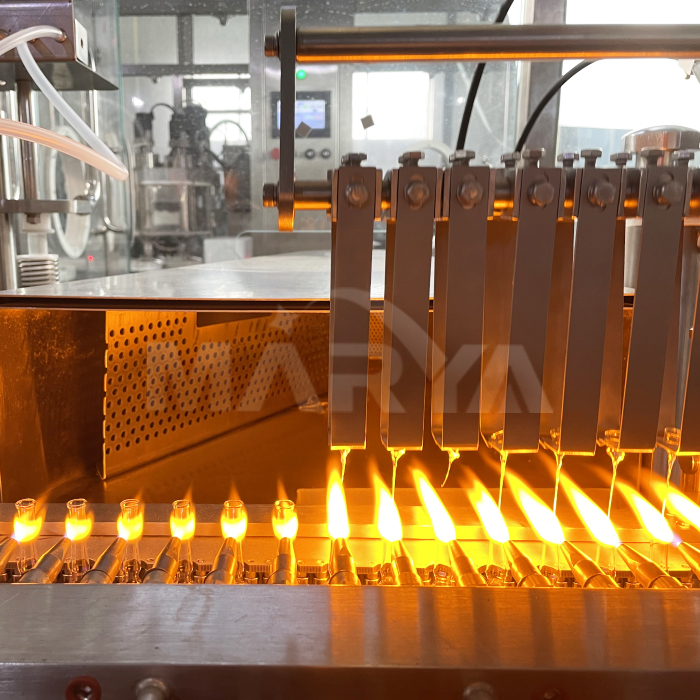
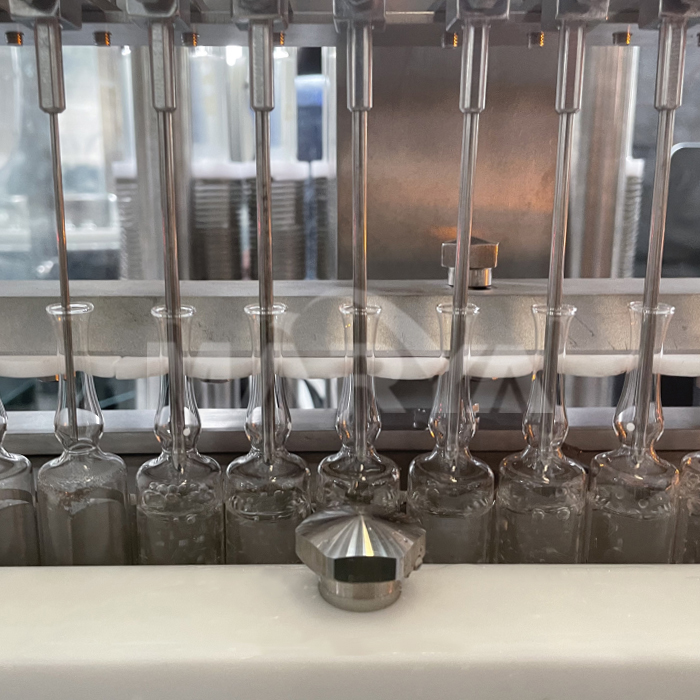
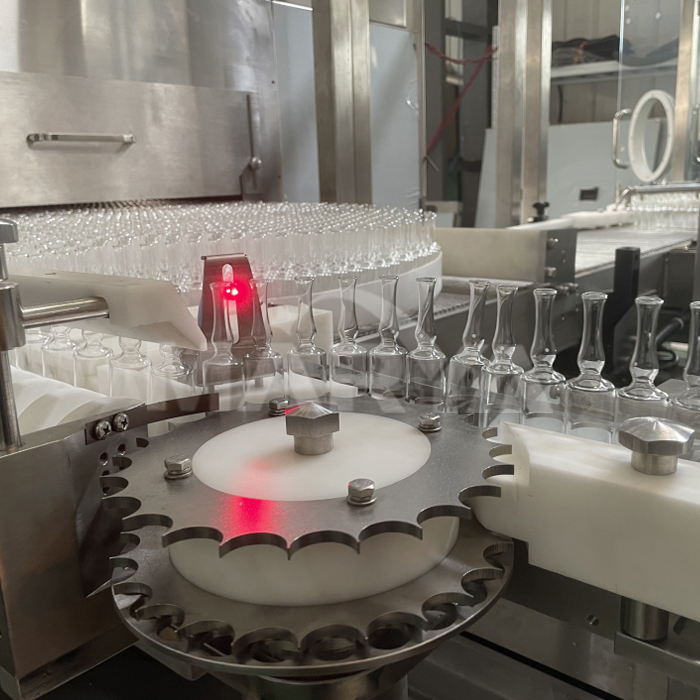
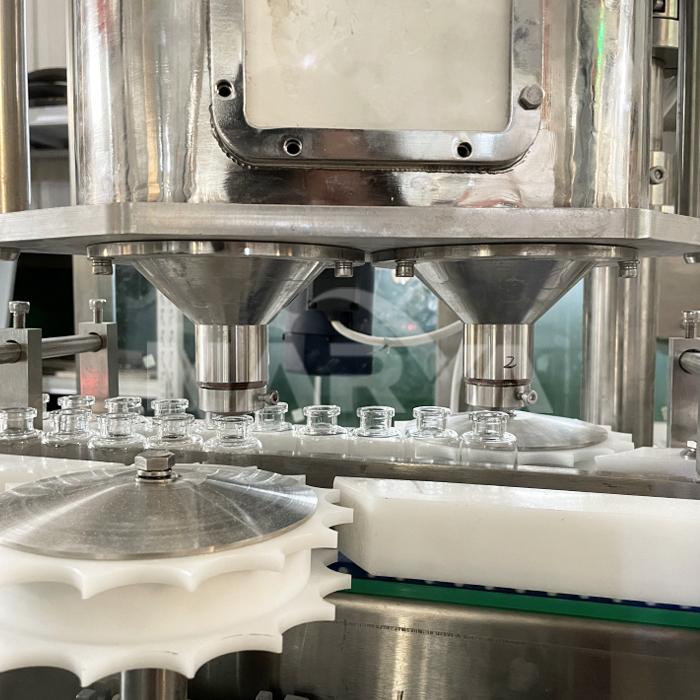
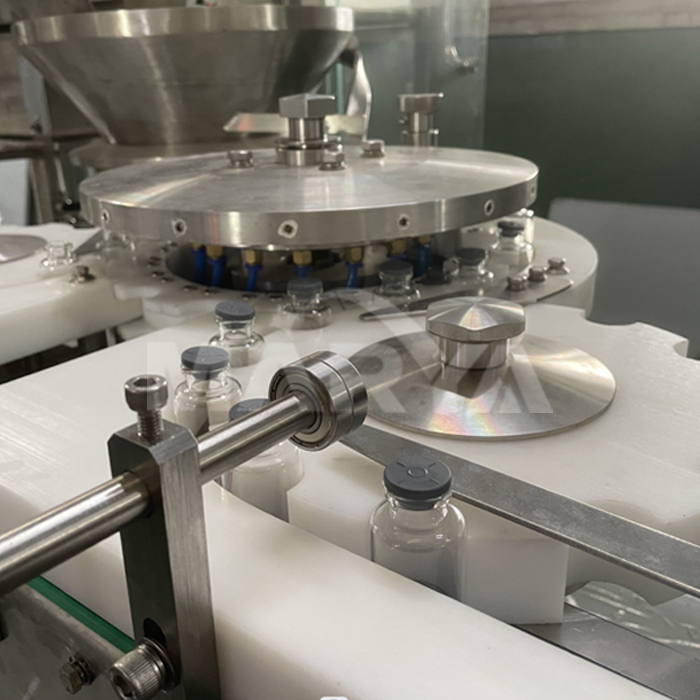
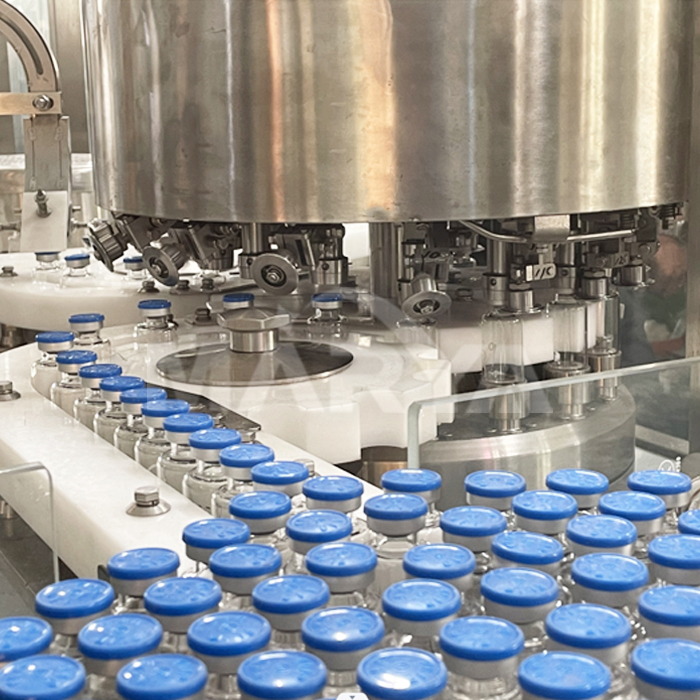
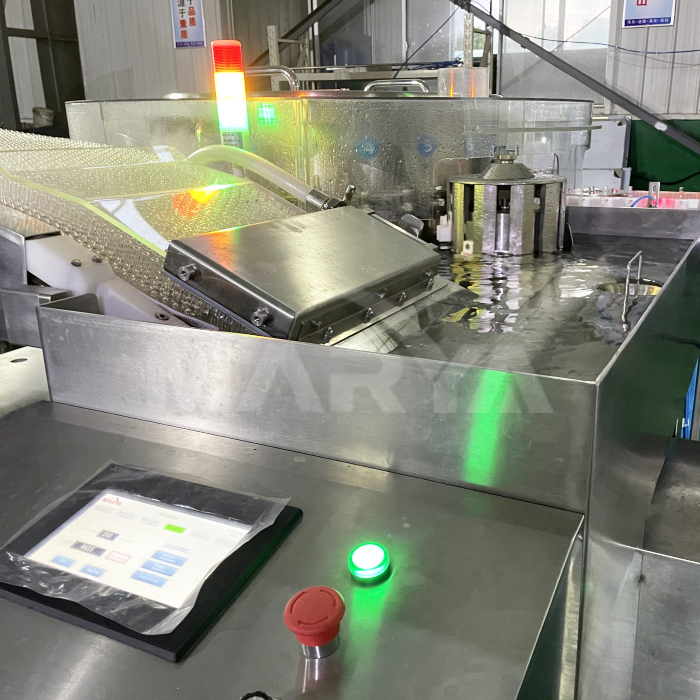
You can find ready-to-use (RTU) solutions from companies like marya. These bottles come already filled and sterile. You do not have to prepare the medicine yourself. RTU bottles save time and help prevent mistakes. Marya uses advanced filling lines and clean rooms to make sure every bottle is safe. You get reliable, fast, and safe packaging for sensitive medicines.
Note:
RTU solutions help hospitals and clinics work faster and safer. You can trust companies like marya to give you high-quality bottles for special pharmaceutical needs.
 |  |  |  |
 |  |  | ![vial-ampoule-washing-drying-machine[1].jpg](http://iororwxhookljp5p-static.micyjz.com/cloud/prBplKjkjiSRplqjokkrjq/vial-ampoule-washing-drying-machine1.jpg) |
It is important to know how the pharmaceutical bottle filling process works. This process keeps medicine safe and helps it work right. There are many steps to stop germs and make sure each bottle has the right amount. Each step keeps out air, water, and germs. If you follow the steps, you help keep people safe and make sure the medicine works.
First, you start with clean, empty bottles. Machines move these bottles and fill them with medicine. After filling, the bottles get sealed to keep the medicine safe. You must check every step to make sure nothing goes wrong. This process helps you follow the rules and makes doctors and patients trust your products.
Here is a table that lists the main steps in the filling process and why they matter:
Step | Description | Importance |
|---|---|---|
1 | Clean, empty bottles go onto the conveyor belt. | Starts the process and makes sure bottles are ready. |
2 | Bottles are lined up under the nozzles. | Centers each bottle so filling is correct. |
3 | The machine puts the right amount of medicine in each bottle. | Makes sure every bottle gets the right dose. |
4 | Bottles are capped and sealed. | Keeps the medicine clean and safe to use. |
Tip:
Always check each step to stop mistakes and keep medicine safe.
There are different ways to fill pharmaceutical bottles. Each way helps you control how much medicine goes in. The main types are:
Volumetric Filling:
This method fills bottles with a set amount of liquid. Machines measure the liquid before putting it in. It works well for syrups and solutions.
Gravimetric Filling:
This method uses weight to fill bottles. The machine weighs the bottle as it fills. It is very accurate, good for costly or sensitive medicines.
Vacuum Filling:
This method uses vacuum pressure to pull liquid into bottles. It is fast and works for thick liquids.
Pressure Filling:
This method uses pressure to push liquid into bottles. It is good for fizzy or foamy products.
Time-Pressure Filling:
This method fills bottles for a set time using pressure. It works for liquids that flow the same way each time.
Each method helps you put the right amount of medicine in every bottle. You pick the method based on the medicine and the bottle.
You must clean and sterilize bottles before filling them. This step gets rid of dust, germs, and other things. You can use steam, dry heat, or special tunnels to sterilize bottles. These ways kill germs and keep bottles safe for medicine. If you skip this step, the medicine can get dirty.
Steam uses hot steam to kill germs.
Dry heat uses high heat to clean bottles.
Tunnels move bottles through heat or steam to clean them fast.
Bottles should be dry and cool before you fill them.
You need to check every bottle before filling. This step helps you find cracks, chips, or dirt. You can use machines or people to look at each bottle. Looking at bottles helps you find problems early. You also check for leaks and make sure bottles are the right size and shape.
Look for cracks, chips, or dirt.
Check for leaks and the right size.
Use machines or people to check bottles.
If you find a problem, take the bottle out.
You must fill bottles in a clean place. Cleanrooms keep out dust and germs. You control the air, temperature, and humidity. Workers wear special clothes to keep dirt out. Machines and tables must stay clean.
Cleanrooms use filtered air to keep out dust and germs.
Workers wear gowns, gloves, and masks.
You control temperature and humidity to protect medicine.
Note:
Cleanroom rules help keep the filling process safe and follow the law.
You can fill bottles by hand or with machines. Automated filling uses machines to fill many bottles fast. Manual filling means people fill bottles one at a time.
Automated Filling:
Machines fill bottles with little help from people.
Every bottle gets the right amount.
Automation keeps things clean and quick.
Fewer mistakes happen and workers stay safe.
Smart systems watch the process and make changes if needed.
Manual Filling:
People fill bottles by hand.
You use this for small batches or special products.
Manual filling takes longer and can have more mistakes.
Tip:
Using machines helps you fill more bottles and keeps things the same.
There are different ways to fill bottles with liquid medicine. The way you pick depends on the liquid and the bottle.
Gravity Filling:
Liquid flows into the bottle by gravity. This works for thin liquids.
Piston Filling:
A piston pushes liquid into the bottle. This gives the right amount each time.
Peristaltic Pump Filling:
A pump moves liquid through tubes into the bottle. This is good for clean or sensitive liquids.
Vacuum Filling:
Vacuum pulls liquid into the bottle. This works for thick or foamy liquids.
Each way helps you control the amount and stop spills or bubbles.
You need special ways to fill bottles with powders or solids.
Auger Filling:
A screw moves powder into the bottle. This gives the right amount.
Vacuum Filling:
Vacuum pulls powder into the bottle. This works for fine powders.
Tablet Counting and Filling:
Machines count and drop tablets or capsules into bottles. This keeps the count right and fast.
You must keep powders dry and stop them from sticking together.
You use aseptic filling for medicines that must stay clean. This keeps germs out of the bottle and medicine.
You clean all bottles, caps, and tools before filling.
You use cleanrooms with filtered air to keep things clean.
Workers wear special clothes and follow strict rules.
You filter the medicine to remove germs before filling.
Aseptic filling helps you protect sensitive medicines and follow safety rules.
Note:
You must watch every step to keep medicine safe and working. Companies like marya use smart filling lines and cleanrooms to help you meet these high standards.
After filling, you need to close the bottles. Machines put caps on and twist them tight. Sealing keeps out air, water, and germs. Tamper-evident seals show if someone opened the bottle. These seals help you trust your medicine is safe. You must check that every cap is tight and does not leak.
Labels tell you what is in each bottle. They show the drug name, dose, and when it expires. Labels also explain how to use the medicine. Serialization puts a special code on every bottle. This code lets you track the bottle from the factory to the pharmacy. You can scan the code to see where the bottle came from. Serialization helps stop fake products and keeps you safe.
Before shipping, you must check every bottle. You look for cracks, leaks, or wrong labels. Machines and people check each bottle carefully. If there is a problem, you take the bottle out. You pack bottles in strong boxes for shipping. Good packaging keeps bottles from breaking. You must keep records of every batch for safety and tracking.
You watch every step while filling bottles. In-process controls help you find mistakes early. You check the weight or amount in each bottle. Machines must stay clean during work. Serial numbers help you track each bottle’s history. These steps keep medicine safe and follow the rules.
Accuracy: You make sure each bottle has the right amount.
Cleanliness: Machines are cleaned after every batch.
Traceability: Serial numbers help you track bottles.
Validation means testing machines to make sure they work right. You test to see if bottles are filled correctly. You keep records of cleaning, testing, and filling. Every step must be written down and checked often. This shows you follow safety rules.
Quality Assurance Measure | Description |
|---|---|
Validation | Tests prove machines work as they should. |
Cleaning Procedures | Machines are cleaned by special steps after each batch. |
Documentation | Cleaning steps are written down, checked, and tested again. |
You must follow Good Manufacturing Practice (GMP) rules. GMP keeps medicine safe and meets the law. You use clean rooms, test machines, and keep good records. Workers are trained to follow safety steps. You check every batch and fix problems fast. GMP helps you make safe products people can trust.
Tip:
Following GMP and keeping good records protects patients and builds trust in your medicine.
You have to make sure your medicine stays safe in the bottle. Some medicines can react with the bottle’s material. If this happens, the medicine might not work right. Always check if the bottle matches your medicine. Some drugs need to be kept away from water, air, or light. Pick a bottle that blocks these things. Glass and some plastics are good for many medicines. If you use the wrong bottle, your medicine could get weak or unsafe.
Shelf life means how long your medicine stays good to use. The right bottle helps your medicine last longer. You want a bottle that keeps out water and air. Some bottles have special colors to block sunlight. This helps protect medicines that break down in light. Always look for bottles that close tightly. A tight seal keeps your medicine fresh until you need it.
When you pick a pharmaceutical bottle, think about these things:
Product stability: Does your medicine need to be kept away from water, air, or light?
Regulatory needs: Does the packaging follow the rules for your country?
Closure compatibility: Can you use caps that show tampering or keep kids out?
Manufacturing fit: Will the bottle work with your filling machines?
Supply chain durability: Can the bottle handle shipping and storage?
You need to think about who will use the medicine. Older people may have trouble opening bottles or reading small print. Kids need bottles that are hard to open. People with vision problems need clear labels. If you design bottles for these needs, you help everyone use their medicine safely.
Older adults may have weak hands or trouble seeing.
Children need extra safety to stop accidents.
People with disabilities may need special bottles.
Bottles that are easy to use help people take their medicine right. If a bottle is hard to open, someone might skip a dose. Simple bottles help everyone, especially people with weak hands or poor eyesight. Some bottles have sections to organize pills. This helps people remember to take their medicine and avoid mistakes.
Easy-open caps help people with weak hands.
Clear labels help you find the right medicine.
Bottles with sections help organize daily pills.
You must follow the rules when picking a bottle. Every country has its own laws for medicine bottles. You need to keep papers that show your bottle follows these rules. Certification proves your bottle is safe and works well. Always check for labels and papers that show the bottle passed safety tests. This helps you avoid problems and keeps patients safe.
Tip: Always ask your supplier for proof that the bottle meets all safety and quality standards.
You need to make sure you can get pharmaceutical bottles when needed. Availability means you can order bottles and get them fast. If you run out, you cannot make more medicine. You should check if suppliers have enough bottles in stock. Some bottles are easy to find and order. Specialty bottles may take longer to arrive. Ask suppliers how long it takes to get bottles and if they have backup plans.
Ask if suppliers keep bottles ready in their warehouse.
Check if they can deliver quickly during busy times.
Pick suppliers with good networks for fast delivery.
Tip:
You can avoid running out by planning ahead and keeping extra bottles in storage.
You want to save money but still get good bottles. The price depends on the bottle’s material, size, and features. Glass bottles usually cost more than plastic ones. Special features like child-resistant caps or tamper-evident seals make bottles cost more. If you buy a lot at once, you may get a discount. Compare prices from different suppliers to find the best deal.
Here is a table that shows how bottle type and features change the price:
Bottle Type | Typical Price Range | Special Features Cost |
|---|---|---|
HDPE Plastic | Low | Child-resistant cap: +10% |
PET Plastic | Low-Medium | Tamper-evident seal: +8% |
Glass (Type I) | High | Sterile packaging: +15% |
Specialty Bottles | Medium-High | Custom design: +20% |
You can save money by buying standard bottles or ordering in bulk. Always check if shipping and handling are included in the price.
Note:
You should not pick cheap bottles if they do not keep your medicine safe or follow the rules.
You can work with marya to get the right pharmaceutical bottles. Marya has many types of bottles and packaging choices. You get help picking the best bottle for your medicine. Marya keeps bottles in stock and ships them fast. You can ask for special designs or features if needed. Marya helps you follow safety rules and control costs.
Marya gives you access to advanced filling lines and cleanroom solutions.
You get help from start to finish, including design, testing, and after-sales service.
Marya helps you plan for supply chain problems and keeps your production running.
Callout:
When you work with marya, you get reliable products, expert advice, and strong support. You can visit marya’s official website to learn more or contact their team for help.
You can trust marya to help you find the best pharmaceutical bottle for your needs. Marya’s experience and focus on quality make your packaging process easier and safer.
When you choose the right pharmaceutical bottle, you protect medicine and keep people safe. You need to know the types, features, and uses before making a decision. This knowledge helps you follow rules and keep your product strong. You can talk with experts at marya for advice and support. Stay informed about new trends and rules to make the best choices for your packaging.
Pharmaceutical bottles can be made from plastic, glass, or special materials. Some plastics used are HDPE, PET, LDPE, and PP. Glass bottles use borosilicate or soda-lime glass. Each material keeps medicine safe in its own way.
Child-resistant caps are made to be hard for kids to open. You might need to push, squeeze, or twist the cap a certain way. These caps help stop kids from opening bottles by accident.
Tip: Always look for child-resistant caps when you buy medicine bottles.
Dark or amber bottles help block sunlight and UV rays. These bottles are used for medicines that can get ruined by light. This keeps your medicine safe and strong.
A tamper-evident seal lets you know if the bottle was opened before. If the seal or ring is broken, someone opened the bottle. This helps you trust that your medicine is safe.
Many pharmaceutical bottles can be recycled. HDPE and PET bottles are taken at most recycling centers. Glass bottles can be recycled again and again. Always check your local recycling rules.
Material | Recyclable? |
|---|---|
HDPE | Yes |
PET | Yes |
Glass | Yes |
You should pick a bottle that fits your medicine’s needs. Check if the bottle works with your medicine and keeps it safe. Look for safety features and make sure it follows the rules. You can ask experts like marya for help.
Aseptic filling keeps medicine clean and free from germs. Bottles are filled in cleanrooms with special machines and rules. This process protects sensitive medicines from getting dirty.