
Views: 0 Author: Site Editor Publish Time: 2026-08-20 Origin: Site


Did you know stainless steel is vital in making safe medicines? Its strength and cleanliness make it essential for pharmaceuticals. In this post, you’ll learn why stainless steel is preferred and how it supports drug safety and quality.
Table of Contents

Stainless steel is one of the most widely used materials in pharmaceutical manufacturing because it combines corrosion resistance, mechanical strength, cleanability, and durability. The appropriate stainless steel grade depends on factors such as chemical exposure, temperature, welding requirements, cleaning procedures, and the type of pharmaceutical equipment.
Among the most commonly used grades are 304, 316, and 316L stainless steel. While all three offer good corrosion resistance, 316 and 316L provide better resistance to chlorides and aggressive environments, making them particularly suitable for demanding pharmaceutical applications.
Property |
304 Stainless Steel |
316 Stainless Steel |
316L Stainless Steel |
|---|---|---|---|
Corrosion Resistance |
Good |
Excellent |
Excellent |
Chloride Resistance |
Moderate |
High |
High |
Carbon Content |
Higher |
Higher |
Low |
Weldability |
Good |
Good |
Excellent |
Resistance to Welding Corrosion |
Moderate |
Good |
Excellent |
Typical Cost |
Lower |
Higher |
Higher |
Typical Use |
General equipment |
Corrosive environments |
Welded pharmaceutical equipment |
Pharmaceutical Suitability |
General applications |
Demanding applications |
Critical hygienic applications |
Key takeaway: 304 is suitable for many general-purpose applications, while 316 and 316L are preferred where chloride exposure, aggressive cleaning chemicals, or extensive welding are involved.
Choosing a stainless steel grade should be based on the operating environment rather than simply selecting the most expensive material.
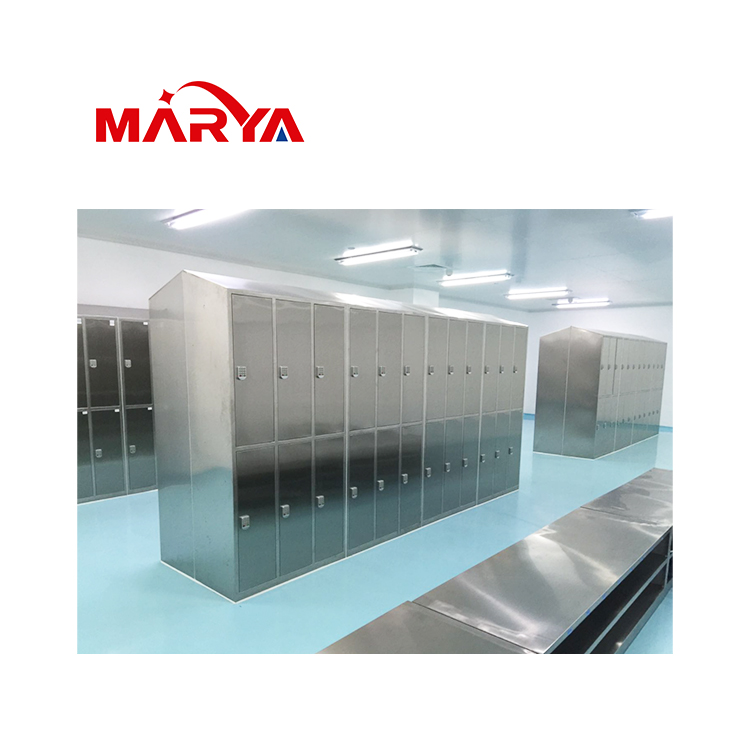
304 stainless steel is commonly selected for pharmaceutical equipment that does not face severe chloride exposure or highly aggressive chemicals.
Typical applications include:
General storage tanks
Equipment frames and supports
Pharmaceutical work tables
Cleanroom furniture
Cabinets and enclosures
Non-critical processing equipment
General-purpose piping
Material handling equipment
304 Application |
Why 304 Is Suitable |
|---|---|
Work tables |
Good corrosion resistance and easy cleaning |
Smooth, hygienic surface |
|
Equipment frames |
Good mechanical strength |
Storage cabinets |
Durable and economical |
General tanks |
Suitable for relatively mild products |
Non-critical piping |
Good balance of cost and performance |
Best choice when: the environment is relatively mild and cost efficiency is important.
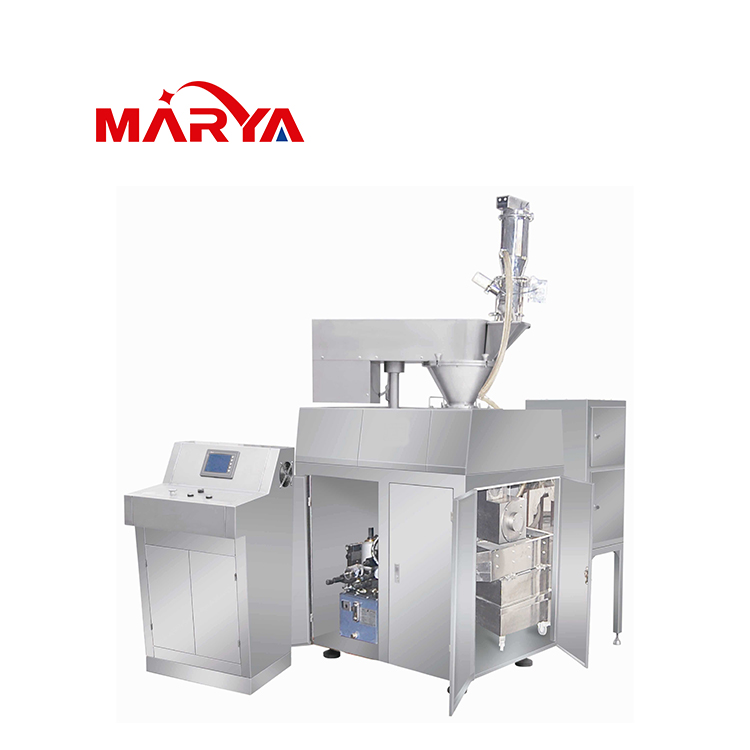
316 stainless steel contains molybdenum, which improves resistance to chlorides and other corrosive substances compared with 304.
It is suitable for applications involving more aggressive chemicals or saline environments.
Typical applications include:
Processing tanks
Mixing vessels
Chemical handling equipment
Fluid transfer systems
Saline solution processing
Pharmaceutical production equipment
Certain reactor components
Corrosive material storage systems
316 Application |
Typical Environment |
|---|---|
Mixing tanks |
Chemical and pharmaceutical formulations |
Processing vessels |
Moderate to aggressive chemicals |
Fluid transfer equipment |
Corrosive liquids |
Chemical storage |
Corrosive pharmaceutical ingredients |
Saline processing equipment |
Chloride-containing solutions |
Reactor components |
Higher corrosion-risk processes |
Best choice when: corrosion resistance is more important than minimizing initial material cost.
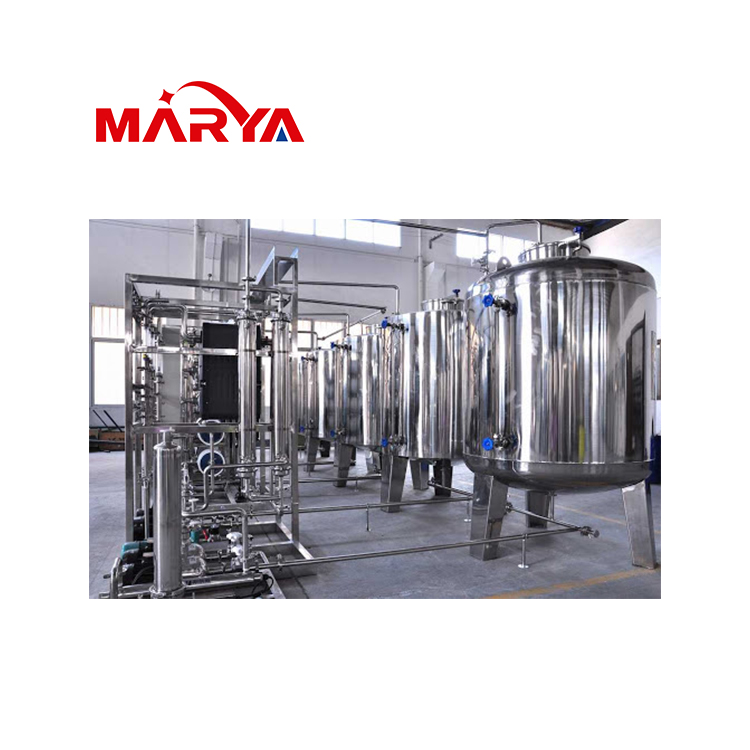
316L is the low-carbon version of 316. Its low carbon content reduces the risk of carbide precipitation during welding, making it particularly suitable for fabricated pharmaceutical equipment.
316L is commonly used for:
Pharmaceutical tanks
Reactors
Mixing vessels
Process piping
CIP systems
Sterile processing equipment
High-purity water systems
Welded fluid transfer systems
Biopharmaceutical equipment
316L Application |
Why 316L Is Preferred |
|---|---|
Pharmaceutical tanks |
Excellent corrosion resistance |
Reactors |
Suitable for demanding chemical environments |
Process piping |
Excellent weldability |
CIP systems |
Handles repeated cleaning cycles |
Sterile equipment |
Suitable for hygienic fabrication |
Good corrosion resistance and cleanability |
|
Biopharmaceutical equipment |
Suitable for highly hygienic applications |
Best choice when: equipment requires extensive welding, high hygiene, repeated cleaning, or exposure to aggressive chemicals.
The following table provides a more practical way to select a grade based on the equipment being manufactured.
Pharmaceutical Application |
304 |
316 |
316L |
Recommended Grade |
|---|---|---|---|---|
Cleanroom furniture |
✓ |
✓ |
✓ |
304 |
Work tables |
✓ |
✓ |
✓ |
304 |
Equipment frames |
✓ |
✓ |
✓ |
304 |
General storage cabinets |
✓ |
✓ |
✓ |
304 |
General storage tanks |
✓ |
✓ |
✓ |
304 / 316 |
Mixing tanks |
✓ |
✓ |
✓ |
316 / 316L |
Pharmaceutical reactors |
△ |
✓ |
✓ |
316L |
Process piping |
✓ |
✓ |
✓ |
316L |
CIP systems |
△ |
✓ |
✓ |
316L |
Saline solution equipment |
△ |
✓ |
✓ |
316 / 316L |
High-purity water systems |
△ |
✓ |
✓ |
316L |
Sterile processing equipment |
△ |
✓ |
✓ |
316L |
Welded pharmaceutical vessels |
△ |
✓ |
✓ |
316L |
Highly corrosive environments |
✕ |
✓ |
✓ |
316 / 316L |
Legend: ✓ Suitable · △ May be suitable depending on conditions · ✕ Generally not recommended
Several factors should be considered when selecting stainless steel for pharmaceutical equipment.
The chemicals that come into contact with the equipment are one of the most important considerations.
Environment |
Preferred Grade |
|---|---|
Mild pharmaceutical solutions |
304 |
General cleaning agents |
304 / 316 |
Saline solutions |
316 / 316L |
Chloride-containing solutions |
316 / 316L |
Aggressive chemicals |
316 / 316L |
Frequent chemical cleaning |
316L |
316 and 316L generally provide better resistance to chloride-induced corrosion than 304.
For pharmaceutical equipment with extensive welded construction, 316L is often preferred because its low carbon content helps reduce the risk of corrosion associated with welding.
This makes 316L particularly useful for:
Welded tanks
Process piping
Reactors
Mixing vessels
CIP systems
Sterile processing equipment
Material grade is only one part of pharmaceutical equipment design. Surface finish is also important.
Surface Condition |
Typical Consideration |
|---|---|
Standard mill finish |
General applications |
Mechanical polished |
Improved cleanability |
Fine polished |
Hygienic applications |
Electropolished |
High-purity / critical applications |
A smoother surface can make cleaning easier and reduce areas where product residues or contaminants can accumulate.
Stainless steel forms a passive chromium-rich oxide layer that provides corrosion resistance. 316 and 316L offer improved resistance to chloride-containing environments because of their molybdenum content.
Stainless steel provides good mechanical strength and durability, allowing pharmaceutical equipment to withstand repeated operation, cleaning, and sterilization processes.
Its smooth surface makes stainless steel easier to clean than many porous or less durable materials. Properly designed and finished equipment can support effective cleaning and sanitation procedures.
Pharmaceutical equipment may undergo repeated exposure to hot water, steam, detergents, disinfectants, and other cleaning processes. Stainless steel is widely used because appropriate grades and finishes can withstand these conditions.
Stainless steel can be found throughout pharmaceutical manufacturing facilities.
Reactors
Mixing tanks
Blending vessels
Holding tanks
Storage tanks
Process vessels
Process piping
Sanitary tubing
Valves
Pumps
Fittings
CIP systems
Work tables
Equipment frames
Cabinets
Shelving
Material handling equipment
Stainless steel containers
Storage vessels
Drums
Transfer containers
Material handling systems
Requirement |
Best Choice |
|---|---|
Lowest material cost |
304 |
General pharmaceutical equipment |
304 |
Better chloride resistance |
316 |
Aggressive chemical environment |
316 / 316L |
Extensive welding |
316L |
High-purity processing |
316L |
CIP applications |
316L |
Sterile processing |
316L |
General cleanroom equipment |
304 |
Critical pharmaceutical process equipment |
316L |
Choose 304 when you need an economical stainless steel for general pharmaceutical equipment and the environment is not highly corrosive.
Choose 316 when the equipment will be exposed to chlorides, saline solutions, or more aggressive chemicals.
Choose 316L when the equipment requires extensive welding, high hygiene, repeated cleaning, or demanding pharmaceutical processing conditions.
Stainless steel selection should also consider the applicable pharmaceutical manufacturing requirements. Equipment design, material traceability, surface finish, weld quality, cleaning procedures, and validation are all important parts of maintaining hygienic production.
It is also important to avoid describing a stainless steel grade as simply “FDA approved.” FDA requirements generally apply to specific materials, uses, processes, or product-contact applications rather than providing a blanket approval of an entire stainless steel grade.
For pharmaceutical equipment, material selection should therefore be evaluated together with the applicable GMP requirements and the specific process conditions.
Advantage |
Benefit |
|---|---|
Corrosion resistance |
Extends equipment service life |
High strength |
Supports demanding processing conditions |
Smooth surface |
Easier cleaning |
Low porosity |
Helps reduce contamination risks |
Weldability |
Enables hygienic equipment fabrication |
Heat resistance |
Suitable for many sterilization processes |
Chemical resistance |
Suitable for many pharmaceutical processes |
Recyclability |
Supports sustainability goals |
Long service life |
Reduces replacement and maintenance costs |
Despite its advantages, stainless steel is not completely corrosion-proof.
Chlorides, aggressive chemicals, poor welding practices, surface damage, and improper cleaning procedures can cause localized corrosion such as pitting or crevice corrosion.
For this reason, pharmaceutical manufacturers should consider:
Chemical compatibility
Stainless steel grade
Surface finish
Welding quality
Cleaning procedures
Operating temperature
Chloride exposure
Equipment maintenance
Stainless steel remains a key material in pharmaceutical manufacturing because of its corrosion resistance, strength, cleanability, and durability.
The choice between 304, 316, and 316L stainless steel should be based on the actual application:
304 — suitable for general pharmaceutical equipment and less aggressive environments.
316 — better suited to applications involving chlorides and more corrosive chemicals.
316L — particularly suitable for welded, hygienic, high-purity, and demanding pharmaceutical process equipment.
Rather than selecting a stainless steel grade based only on cost, manufacturers should evaluate chemical exposure, welding requirements, surface finish, cleaning procedures, temperature, and hygiene requirements to determine the most appropriate material.
Marya provides stainless steel solutions for pharmaceutical and industrial applications, helping manufacturers select materials and equipment based on specific process requirements.