Views: 0 Author: Site Editor Publish Time: 2025-11-17 Origin: Site
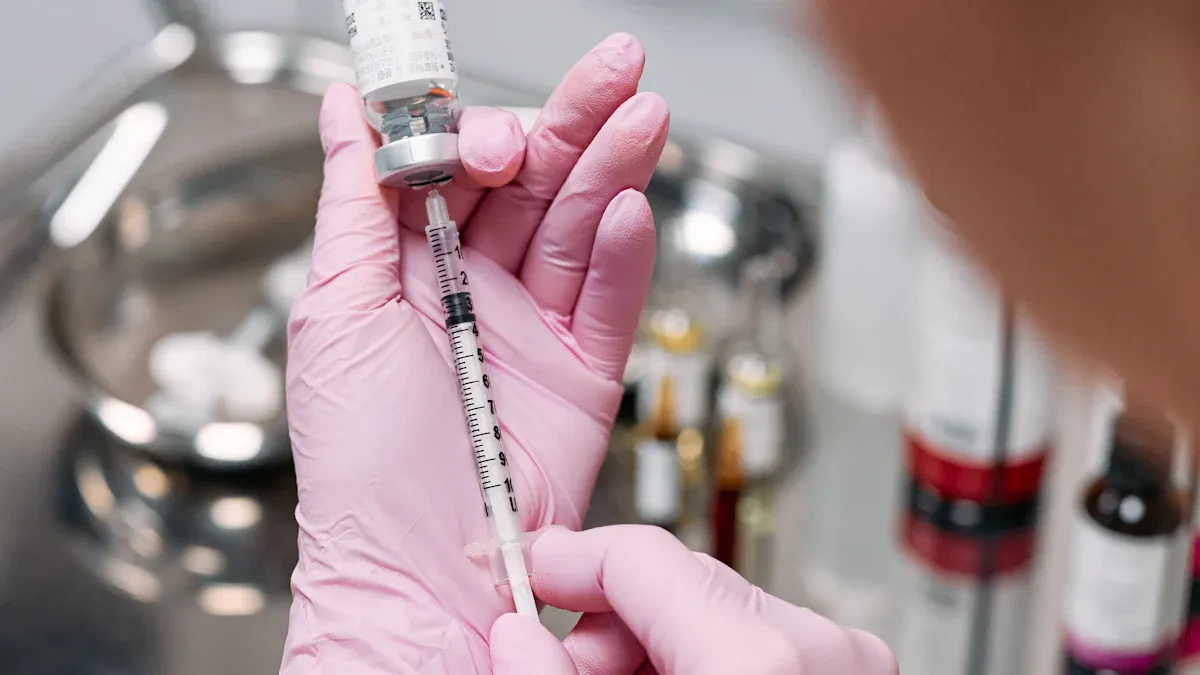
In the last few years, more people have bought prefilled syringes.
More new biologic drugs now use prefilled syringes instead of old ways.
More people with diseases like type 2 diabetes need these systems.
Biological therapies help the market for prefilled syringes grow.
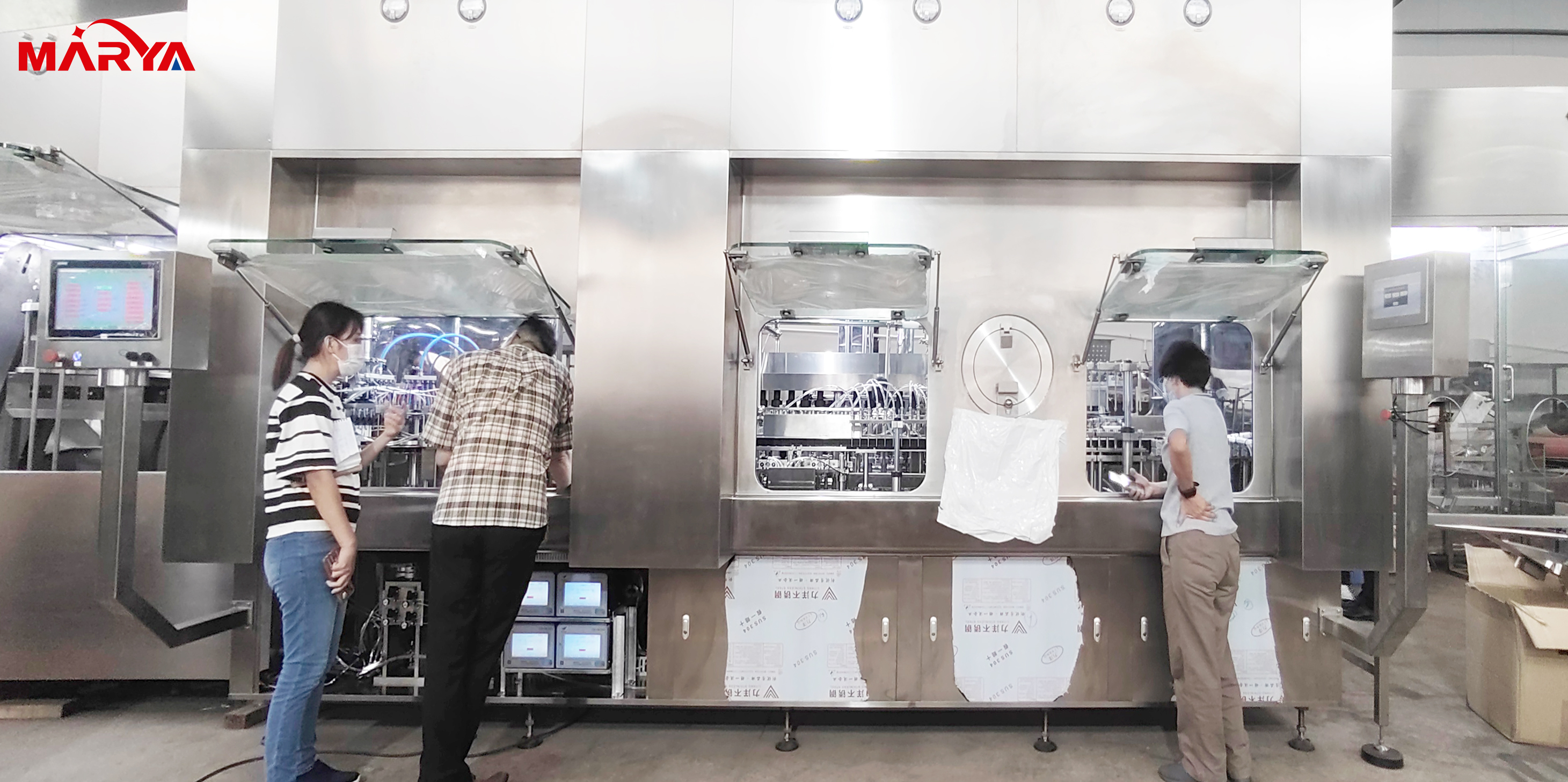
Prefilled syringe filling lines use machines to get syringes ready. They make sure each syringe has the right amount of medicine. The process happens in a very clean place. These systems help keep people safe by lowering human contact. This lowers the chance of germs and mistakes when filling syringes. Automation makes the work faster and more efficient. It can fill up to 36,000 syringes every hour. This helps meet the need for more medicine. Prefilled syringes make it easier for patients to give themselves shots. This helps people take care of their health at home. They do not need to go to the clinic as much. Picking the best vendor and taking care of the filling line is important. This keeps the process safe and follows the rules. It also helps the filling line work its best when making prefilled syringes.
A prefilled syringe filling line makes syringes ready for use. Hospitals, clinics, and homes use these syringes. The system works by itself and keeps medicine safe. It helps deliver medicine quickly and cleanly. The machine does many jobs with little help from people. Each syringe gets the right amount of medicine. This lowers mistakes and keeps patients safe.
Tip: Automated lines save space and money. They work fast and need fewer workers.
Here is a table that lists what a prefilled syringe filling line does and why it helps:
Function/Benefit | Description |
|---|---|
Maximized Sterility | 6-log decontamination and no-contact robotic handling keep medicine pure. |
High Speed | You can process up to 36,000 syringes per hour with little delay. |
Multi-Product Flexibility | The line handles different containers and parts for many medicines. |
Reduced Costs | Less downtime and fewer manual steps mean you spend less money. |
Space-Saving | Compact design fits well in cleanrooms and saves valuable space. |
There are several steps to fill each syringe safely. Here is how the process usually works:
First, you open the packages to get empty syringes.
Next, machines shape the syringe parts with great care.
The filling station puts medicine in, and sensors check the amount.
Then, the syringes are sealed and put together. The needle is attached tightly.
The system makes the syringes sterile, often using gamma rays to kill germs.
After that, you pack the syringes in special pouches to keep them clean.
Finally, the packed syringes go to doctors or are stored for later.
Each step helps keep the medicine clean and the dose right. You can trust the system to give safe syringes every time.
A prefilled syringe filling machine has many parts. Each part helps make syringes safe and clean. The parts work together to keep medicine pure. They also help the process run smoothly.
You begin with empty syringes in trays called nests. The feeding and de-nesting system takes syringes out of the trays. It moves them to the next step. This part works by itself. You do not need to touch the syringes. Using machines makes production faster. It also lowers mistakes. It helps stop syringes from breaking during transfer.
Evidence Description | Impact on Effectiveness |
|---|---|
The nesting machine automates the distribution of prefilled syringes to the filling station, improving production efficiency. | Increases throughput and reduces the time taken for manual material distribution, enhancing overall efficiency. |
By automating the transfer, the system reduces human error and boosts production efficiency. | Minimizes mistakes associated with manual handling, leading to more reliable operations. |
The system eliminates manual handling, reducing the risk of breakage during transfer. | Ensures syringes are safely transferred without damage, enhancing operational reliability. |
Tip: Automated feeding and de-nesting save time. They also keep the process safe.
The filling system puts medicine into each syringe. There are different types of filling systems. Some use peristaltic pumps. These pumps squeeze tubes to move liquid. Others use rotary piston pumps. These pumps fill syringes very precisely. The filling happens in a clean space. This keeps medicine safe from germs.
You get better accuracy when giving medicine.
The system is easy to use and handle.
Filling happens in a sterile place to stop germs.
Peristaltic pumps fill with high accuracy and sterility.
Rotary piston pumps give very precise filling.
Prefilled syringes are easy, safe, and accurate. They also cost less and have less overfill.
After filling, you need to close the syringe. The stoppering and sealing part puts a rubber stopper or plunger in. This keeps medicine inside. It also stops germs from getting in. Machines make sure the stopper fits tight. Some use air pressure to place the stopper. You can clean and sterilize these machines easily.
Machine Type | Features | Sterility Assurance Level |
|---|---|---|
Inline Platforms | End-to-end sterility control, compact footprint | High sterility assurance |
Linear Machines | Flexibility for diverse container sizes, ideal for multi-product facilities | Moderate sterility assurance |
Rotary Systems | Ultra-high throughput for large pharmaceutical companies | High sterility assurance |
The stoppering system follows strict cleaning rules. You can take apart and clean all parts that touch medicine. This helps keep syringes sterile.
Sterility controls keep medicine safe from germs. You must follow strict rules from groups like the US FDA, EU GMP, WHO, and CDSCO. These rules tell you how to keep things clean and safe. You use special rooms and barriers. You also follow cleaning steps to meet these standards.
Regulatory Body | Key Standards and Requirements |
|---|---|
US FDA | 21 CFR Parts 210 and 211: cGMP guidelines for drug manufacturing, including equipment control, personnel hygiene, and sterilization validation. |
EU GMP | Annex 1: Enhanced contamination control strategies, barrier technologies, and strict cleanroom classifications. |
WHO GMP & PIC/S | Guidelines emphasizing risk-based approaches and harmonized sterilization protocols. |
CDSCO (India) | Focus on validation of aseptic processes and data integrity in manufacturing records. |
Note: Following these rules helps make sure every syringe is safe for patients.
You need to check each syringe for leaks or cracks. The handling and inspection system uses special tools. Machines use high voltage leak detection or vacuum decay. These find leaks without opening the syringe. Automated inspection platforms look for defects and cosmetic problems.
MicroCurrent High Voltage Leak Detection (HVLD) finds leaks with electricity.
Vacuum Decay checks for leaks by measuring pressure.
Automated Inspection Platform AIM checks complex syringe assemblies.
Static Division Technology finds big defects and cosmetic problems.
These systems help make sure only safe syringes reach patients.
Control systems help run the machine safely and well. You use sensors, cameras, and computers to watch each step. These systems make sure the piston moves right. They check that filling is accurate. They also check the stopper is in place. You can find problems early. Bad syringes are removed before leaving the factory.
Feature | Contribution to Safety and Efficiency |
|---|---|
Precise Control | Ensures accurate positioning of the piston, reducing errors. |
Automated Inspection | Monitors the filling process to detect defects early. |
Compatibility with Aseptic Environments | Maintains product integrity and reduces contamination risks. |
In-Production Controls | Utilizes sensors and cameras to monitor processes for quality assurance. |
Syringe Inspection System | Removes defective syringes, ensuring only safe products are used. |
Verification of Stopper Height | Ensures proper sealing, contributing to product safety. |
Fully Automated Systems | Minimizes human intervention, reducing the risk of errors. |
Precision Filling | Guarantees accurate filling, enhancing product quality. |
Proper Sealing | Ensures containers are sealed correctly, maintaining safety. |
Alert: Good control systems help you avoid mistakes. They also keep your process running smoothly.
When all these parts work together, you get safe and clean syringes. Patients can trust these syringes to be reliable.
Many modern pharmaceutical factories use robots. These robots help make sure results are always the same. Machines like the Groninger DFVN 1000 and AST GENiSYS R20 keep fill volumes steady in each batch. Robots wash and fill syringes with great care. People do not need to touch the syringes, so the process stays clean. Automation helps stop mistakes and keeps medicine pure.
Robots work fast and gently, so syringes do not break.
Tip: Robotic arms move quickly and softly to keep syringes safe.
Each syringe must have the right amount of medicine. Modern filling lines use servo control and real-time flow checks. These tools help reach high dosing accuracy for many products. Liquid filling machines can be about 0.5% accurate in fill volumes. The FDA says most recalls happen when fill errors are less than 2%. AI-powered machines waste 41% less material, change over 58% faster, and use 29% less energy. Adaptive programs use viscosity data to keep accuracy at 99.4%. Fully automatic systems use PLCs, servo motors, and sensors to keep dosing steady.
These technologies give better product quality and less waste.
Every syringe must be checked for problems during filling. Machine vision uses fast cameras to look at syringes at different steps. For example, the SA12J machine uses many cameras to find cracks, particles, and wrong fill levels. The system spins syringes quickly so cameras can see moving particles using image subtraction. This helps find defects and only sends good syringes to packaging. The VRI-VI 060 S machine can check up to 400 syringes each minute, and upgrades will raise this to 600. Fast checks help keep up with busy production, like for flu vaccines.
You can watch and control the prefilled syringe filling line with advanced data tools. These systems link to other machines and software for live monitoring. Here is a table that lists some key features:
Feature | Description |
|---|---|
APIs | Connect with ERP and MES for live data sharing and process monitoring. |
Industry Standards | Use OPC UA and Modbus for smooth communication with other systems. |
IoT Connectivity | Enable remote monitoring and predictive maintenance. |
Compliance | Meet GMP and ISO standards for quality and safety. |
Digital features in the syringe's piston let you send data using Bluetooth low energy. You can watch drug use without risking patient privacy. Injection logs with times can go to a clinical study portal for easy tracking.
Note: Real-time data helps you find problems early and keep the filling process working well.
Prefilled syringe filling lines are used in many places. You see them in pharmaceutical and biotech companies. These systems work with many types of medicine. They fill things like vaccines and biologics. Different filling methods are used for different products. The table below shows some common filling technologies and what they do:
Filling Technology | Description | Applications |
|---|---|---|
Rotary Piston Pump | Uses piston and cylinder for precise volumes | Handles many viscosities and challenging products |
Diaphragm Pump | Moves product with a flexible diaphragm | Offers full disposability and new flow path options |
Peristaltic Pump | Uses rollers for accurate dosing | Low risk of cross-contamination, easy to dispose |
Time/Pressure Systems | Uses pressurized tanks and valves | Accurate, gentle on products, easy to clean |
Mass-Flow Fill Systems | Measures mass for dispensing | Best for eye medicines with special accuracy needs |
These filling lines keep medicine safe from germs. The process happens in a closed, clean area. You do not have to fill syringes by hand. This helps stop germs from getting in. It also means fewer mistakes with the amount of medicine. The system uses isolators and low pressure to keep things sterile.
Note: Prefilled syringes lower the chance of mistakes and help keep patients safe.
These machines work quickly and fill many syringes at once. Companies use them to keep up with more people needing shots. Automated lines save time and need fewer workers. Some machines from top brands fill lots of syringes every hour. This helps get medicine to people fast and safely. More companies want these machines because they make giving medicine easier and more exact.
Automation means less manual work is needed.
You can switch between products with flexible machines.
High-volume lines help busy hospitals and clinics.
Prefilled syringes make things easier for people who need shots often. You can use them at home and skip trips to the clinic. This saves time and makes things less stressful. Each syringe has the right amount of medicine. You do not need to measure or mix anything. These features help you feel safe and sure when giving yourself a shot.
You always get the right dose.
There is less chance of germs getting in.
You save time by not going to the clinic.
They are easy to use, even for long-term care.
Tip: Prefilled syringes help people take care of their health at home with less trouble.
You have many choices for designing your prefilled syringe filling line. Companies like Gerresheimer make syringes that are ready to fill. These syringes have few cosmetic problems and easy-to-remove needle shields. Unilife has devices with two chambers and needles that pull back by themselves. Vetter’s RVS 3 line can make lots of syringes and change for different needs.
You can pick features that fit your product’s thickness and how you want to pack it.
Customizing helps you follow strict safety and cleanliness rules.
You can add machines that check and label syringes for better quality.
Tip: Making your filling line fit your needs helps you work with many medicines and follow rules.
Picking the best vendor is very important for your success. You should look at a few things before you choose.
Criteria | Description |
|---|---|
Production Capacity | See if the machine is fast and accurate enough for you. |
Ease of Use | Find one that is simple to set up and easy to learn. |
Cost | Look at prices, including fixing and training costs. |
Compliance | Make sure the machine follows safety and rule standards. |
Size | Check if the machine fits in your space. |
Note: A good vendor helps you avoid trouble and reach your production goals.
Your new filling line should work well with your current setup. You need to check how your medicine works with the packaging parts. Using Quality by Design helps you build a strong process and get good data.
Your filling line can use different syringe sizes and add machines for checking and labeling.
Connecting with other packaging steps makes making and shipping easier.
Automatic lines for safety parts make everything run better.
Taking care of your filling line keeps it working well. You should check parts before each use and set tools right. Deep cleaning every month removes leftover stuff and stops rust.
Daily checks help you find loose bolts and worn pieces.
Cleaning and oiling often stop germs and lower damage.
Checking and setting machines often keeps filling amounts right.
Looking at wires and updating software makes things work better.
Training workers helps stop delays and makes things run smoother.
Alert: Good care keeps your filling line safe and protects your money.
You help pick safe ways to give medicine. Prefilled syringe filling lines help stop mistakes. They also save time and cut down on waste.
These systems make giving medicine easier for patients.
You can spend less by using less medicine.
Hospitals see fewer drug problems and less harm to the environment.
When you choose a system, check for accuracy and safety. Make sure it follows the rules. For the best choice, ask experts or read new studies before you decide.
A prefilled syringe filling line is a special machine. It puts medicine into syringes. The syringes are ready to use right away. The system keeps the medicine safe and clean.
You save time because you do not have to measure. You also do not need to mix anything. You always get the right amount of medicine. Hospitals and clinics use these for safety.
Tip: Prefilled syringes let you take medicine at home. You do not have to worry as much.
Machines work in clean rooms with special barriers. They follow strict rules from groups like the FDA. No one touches the syringes while they are filled. This keeps germs away.
Method | How It Works |
|---|---|
Clean Rooms | Air stays very clean |
Barriers | No one touches the syringes |
Sterilization | Radiation kills germs |
You can use many kinds of medicine in the machine. The settings can change for each product. You can switch between vaccines, insulin, or other drugs.
The machine checks every syringe with cameras and sensors. If there is a problem, it takes out the bad syringe. Only safe syringes are given to people.