Views: 0 Author: Site Editor Publish Time: 2025-11-17 Origin: Site
Manufacturer | Technology Features |
|---|---|
Syntegon | MLD Advanced syringe filler for up to 400 units/min, sterility, dose verification, particle inspection. |
IMA Life | MODULA system for simultaneous filling, STERIFILL series with real-time quality checks. |
Groninger | Flexfill platform with robotic arms, low-shear pumping technology for biologics. |
OPTIMA Pharma | Modular lines with barrier isolator integration, PAT-enabled monitoring systems for real-time data. |
You can trust this process because every step uses strong quality checks and smart systems to keep your medicine safe.
Cartridge filling lines do the jobs of washing, filling, sealing, and packing cartridges. They help keep people safe and make sure things are correct. There is not much need for people to touch the cartridges.
Robotic arms and new technology make the work faster. They help the machines run quickly and let workers watch the process in real time. This helps keep the quality high.
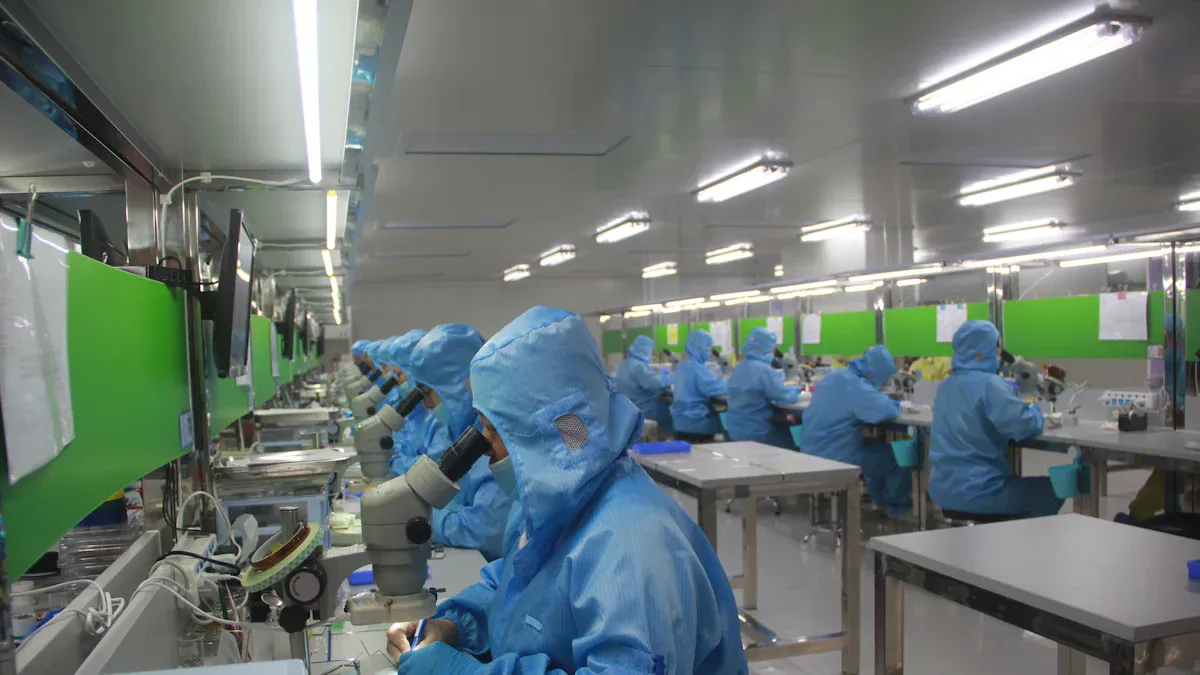
It is very important to keep the area clean. Cleanrooms and strict rules stop germs from getting in during filling.
Quality control steps use machines to check each cartridge. These steps also make sure the right amount of medicine goes in every time.
Cartridge filling lines can work with many types and sizes of containers. This helps them meet different needs in the pharmaceutical industry.
When you look at a cartridge filling line, you see many steps. These steps help keep medicine safe and accurate. Machines and technology work together to make sure each cartridge has the right amount of medicine.
First, machines wash the cartridges inside and outside. They use special cleaning agents for this job. After washing, cartridges go through a sterilization tunnel. The tunnel uses dry heat that is very hot, sometimes over 330°C. This heat removes pyrogens, which are harmful substances. Now the cartridges are clean and ready for filling.
Note: Sterilization tunnels use high heat to kill germs and remove pyrogens. This keeps cartridges safe for medicine.
Next, machines load the cartridges onto the line. Robotic arms or conveyors move cartridges fast, up to 600 per minute. Less human contact means less chance of contamination. The cartridges stay clean and ready for the next step.
The cartridge filling machine fills each cartridge with medicine. It uses servo motors and electronic controls to do this job. The machine checks the amount of medicine in real time. Every cartridge gets the right dose. This step helps avoid waste and keeps things efficient.
Feature | Description |
|---|---|
Dosing Accuracy | Makes sure each cartridge has the right amount |
Precision Controls | Helps reduce waste and improve accuracy |
Versatile Filling | Works with many cartridge sizes |
Real-Time Monitoring | Checks filling while it happens |
After filling, machines seal and cap the cartridges. They use flip-off caps, aluminum crimps, or overseals to close them tightly. This keeps medicine safe and stops leaks. Machines also put in stoppers and watch the process to protect the product.
Last, machines label, inspect, and package the cartridges. Vision systems check for defects, correct labels, and good seals. Machines remove cartridges that do not meet standards. Only the best cartridges get packaged and ready for shipping.
Tip: Automated filling and dispensing systems help you get high accuracy and safety in every step.
Modern cartridge filling lines use a lot of automation. Robotic arms move cartridges without people touching them. This keeps the process clean and safe. Robots can work with many types of containers, like syringes and cartridges. They help with filling, sealing, and labeling jobs. This lowers mistakes and keeps medicine safe.
Feature | Description |
|---|---|
Robotic Filling Line | RNFM22 boosts efficiency and meets strict rules for primary packaging. |
Flexibility | Handles different containers, including syringes and cartridges. |
Robotic Handling | Uses robots to prevent glass-to-glass contact and damage. |
Quality Control | Vision systems check stopper positions and product quality. |
Automated inspection uses fast cameras to find problems quickly. These cameras can check up to 400 vials each minute. They work even with thick or sticky medicines. Automation makes the process faster and safer.
Getting the right dose is very important. Each cartridge needs the correct amount of medicine. Modern dosing systems use sensors and feedback controls to check each fill. If a cartridge does not have enough medicine, the system fixes it right away.
System | Features | Accuracy |
|---|---|---|
OPTIMA Linoline | Micro-dosing, feedback control, 3,600 units/hour | 100% in-process control, instant correction |
Some systems use single-use tubing to stop mixing products. Others use flow sensors that do not touch the medicine. These tools help you get the right dose and keep the product safe.
You must keep the area sterile during cartridge filling. Cleanrooms follow strict rules like ISO 14644-4 and ISO 14644-5. These rules control air, cleaning, and how people work.
Note: Environmental monitoring checks air, surfaces, and workers for germs. You might use settle plates, air samples, or swab tests to keep the area clean.
Regulatory agencies want you to test your process with media fills. This test copies real steps to find weak spots. By doing these things, you keep cartridges safe and free from germs.
Pharmaceutical cartridges must stay free from germs. Sterility is very important for medicine safety. Workers fill cartridges in closed, clean rooms. Robots do most of the filling work. This means people touch cartridges less. It helps stop germs from getting in. Cartridges stay safe for patients.
Feature | Description |
|---|---|
Fully isolated for sterility assurance | |
Automated filling with robotic systems | |
Capacity | Up to 36,000 cartridges per batch |
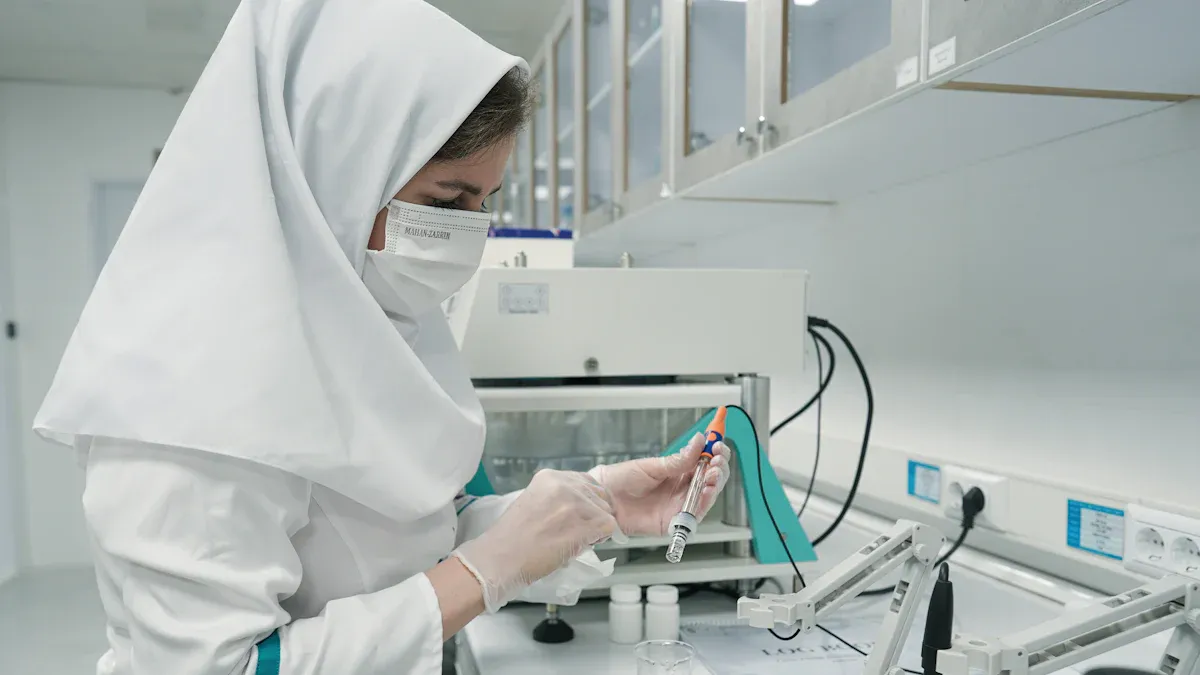
Cleaning is a big part of keeping cartridges sterile. Workers follow strict cleaning steps. They learn each job carefully. This keeps cartridges safe and ready to use.
You must follow tough rules when making cartridges. These rules keep patients safe. They make sure every cartridge is high quality. New EU GMP Annex 1 rules change what you must do. You also follow cGMP, IQ, OQ, PQ, and 21 CFR Part 11.
cGMP means you use the best ways to fill cartridges.
Validation rules (IQ/OQ/PQ) check if machines work right.
21 CFR Part 11 keeps records safe and correct.
You must write down every step you take. This includes machine checks and cleaning cycles. These records show you follow all the rules.
You need strong checks during cartridge filling. Quality starts with a full plan. You should test the filling process for risks. Good contamination control uses clean rooms, strong cleaning, and trained workers.
Calibrate machines to fill the right amount.
Check flow rates and how valves work.
Watch temperature and weigh cartridges for accuracy.
You must record every check and action. This helps keep quality high and follow rules. In-process monitoring keeps cartridges safe for patients.
Pharmaceutical companies need to work fast and be steady. Cartridge filling lines help make lots of cartridges quickly. Machines move cartridges fast, so thousands get filled each hour. This saves time and cuts down on worker costs. Automatic machines keep working without breaks. This means more cartridges are filled in less time.
Method | Cartridges per Minute | Efficiency |
|---|---|---|
Manual Filling | 5–7 | Lower production rate |
Automatic Filling | 7–9 or more | Higher production rate, reduced labor costs, improved consistency |
Automatic filling lines use conveyors and robots to move cartridges. You can watch how many are made right away. Smart systems help stop problems and keep things running well.
Benefit | Description |
|---|---|
Automation | Uses machines and robots instead of people. |
Customization options | Can fill different sizes and types of containers. |
Data integration | Lets you see how many are filled right now. |
Smart technology | Warns you before machines break down. |
Inventory management tools | Helps keep track of supplies. |
Every cartridge must be safe and have the right amount of medicine. Cartridge filling lines use special machines to fill each one just right. Sensors check each cartridge and fix the amount if needed. This keeps medicine and vaccines correct and stops mistakes.
Feature | Description |
|---|---|
High-Precision Filling | Makes sure each cartridge has the right amount of medicine. |
Real-Time Monitoring | Sensors watch and change the fill if needed. |
Prevention of Cross-Contamination | Uses easy-to-clean parts and closed systems to stop mixing drugs. |
Automatic Cleaning Function | Cleans itself so each batch is safe and pure. |
Cartridge filling lines keep medicine clean and safe.
They help you follow strict rules for making medicine.
The process makes filling faster and more reliable.
Sometimes you need to fill cartridges with different medicines. Cartridge filling lines can work with many types and sizes. You can switch between bulk and ready-to-use cartridges, syringes, or vials. Machines can handle thick or oxygen-sensitive products.
Feature | Description |
|---|---|
Capacity | Fills bulk and RTU vials, syringes, cartridges up to 28,000 units per batch. |
Lyophilization Capacity | Up to 31,500 10R vials per batch. |
Flexibility | Works with almost any container, even thick or oxygen-sensitive products. |
Some systems, like Bausch+Ströbel VarioSys, are good for small or special batches.
You can change products and parts easily.
This flexibility is important for making medicine today.
Cartridge filling lines are very important for making medicine. They help you work fast, stay safe, and fill many kinds of cartridges. These lines help you follow rules and keep medicine safe for people.
You can count on cartridge filling lines to keep cartridges safe and clean. Every step uses new machines and strong checks for quality. Machines use laser sensors and cameras to watch fill levels and seals. This helps stop mistakes from happening. In the future, there will be new trends in making medicine:
Continuous systems help make cartridges faster and cost less.
AI robots fill cartridges with better accuracy.
Smart machines help keep everything sterile and safe.
More companies use single-use systems for more flexibility.
These changes help people make better medicine for everyone.
A cartridge filling line uses machines to clean, fill, seal, and pack cartridges. These machines help make sure each cartridge is safe and clean. They also make sure each one has the right amount of medicine.
Automation keeps the process fast and clean. Machines do most jobs, so there are fewer mistakes. This also lowers the chance of germs. You can fill more cartridges in less time.
You use cleanrooms and special machines to block germs. Workers wear special clothes to stay clean. Machines do most of the work. Air and surfaces get tested often.
Tip: Clean and test everything often to keep it sterile.
Yes, you can use one line for many medicines. You can change parts and settings to fill different cartridges. This lets you use the same line for many types and sizes.
Feature | Benefit |
|---|---|
Change parts | Fill different cartridges |
Adjust settings | Use for many medicines |