Views: 0 Author: Site Editor Publish Time: 2026-08-03 Origin: Site
You need to match the tray holes to your needs. Pick what fits your batch size and target output. Small lab setups need very little hand effort. Fast factory shifts need lower labor costs and speed. Comparing these Capsule Machines Compared helps you balance space. You can easily weigh costs against your work space.
Machine Capacity | Standard Hourly Production Range |
|---|---|
100-Hole Model | 1,800 to 2,500 capsules |
200-Hole Model | 4,250 to 4,500 capsules |
300-Hole Model | 6,000 to 8,000 capsules |
400-Hole Model | 4,000 to 5,000 capsules (manual) / up to 20,000–40,000 (with automated features) |
Table of Contents
100-hole machines fit small labs well. Beginners learn easy steps fast.
200-hole machines double the output. Pharmacies quickly finish small custom batches.
300-hole machines make 8,000 capsules hourly. Growing brands save work time.
400-hole machines maximize counter space output. Operators make 5,000 capsules hourly.
Granulated powders flow smoothly. Even powder granules boost daily machine speed.
Automatic machines cut fill weight errors. Workers upgrade at 150,000 daily capsules.
Picking gear needs clear production counts. Look past ads. Focus on real output. Reviewing these choices shows big speed differences.
Tray size changes output. Operator skills matter too. Pure math assumes no breaks. Real work includes messy cleanups. Loading capsules takes time. Resetting trays slows work.
Review expected output rates in this table:
Machine Capacity | Hourly Yield (Capsules/Hour) |
|---|---|
100-Hole | 1,800 – 2,500 |
200-Hole | 4,250 – 4,500 |
300-Hole | 6,000 – 8,000 |
400-Hole | 4,000 – 5,000 (manual) / 20,000 – 24,000+ (with automation features) |
Small trays need frequent resets. Big trays make more capsules. They take more packing force.
Cycle time tracks batch speed. Manual filling has five steps:
Position empty capsule parts.
Separate capsule halves.
Spread active powder smoothly.
Tamp powder to weight.
Lock sealed capsules together.
Efficiency Tip: Semi-automatic 300-hole systems speed up manual tasks. Finish 300 capsules quickly using plates.
Fast loading plates cut labor. Teams save daily work hours.
Counter space limits total output. Small 100-hole setups fit tiny counters. Lightweight 200-hole trays move fast.
Big 300-hole systems need tough tables. Heavy 400-hole options use thick plates. Measure cleanroom spaces first.
Worker tire impacts total counts. Manual steps strain wrists. Slow 100-hole capping causes tiredness. Processing 200-hole setups slows down.
Lever locks aid large machines. They reduce joint pain. Techs work long shifts easily.
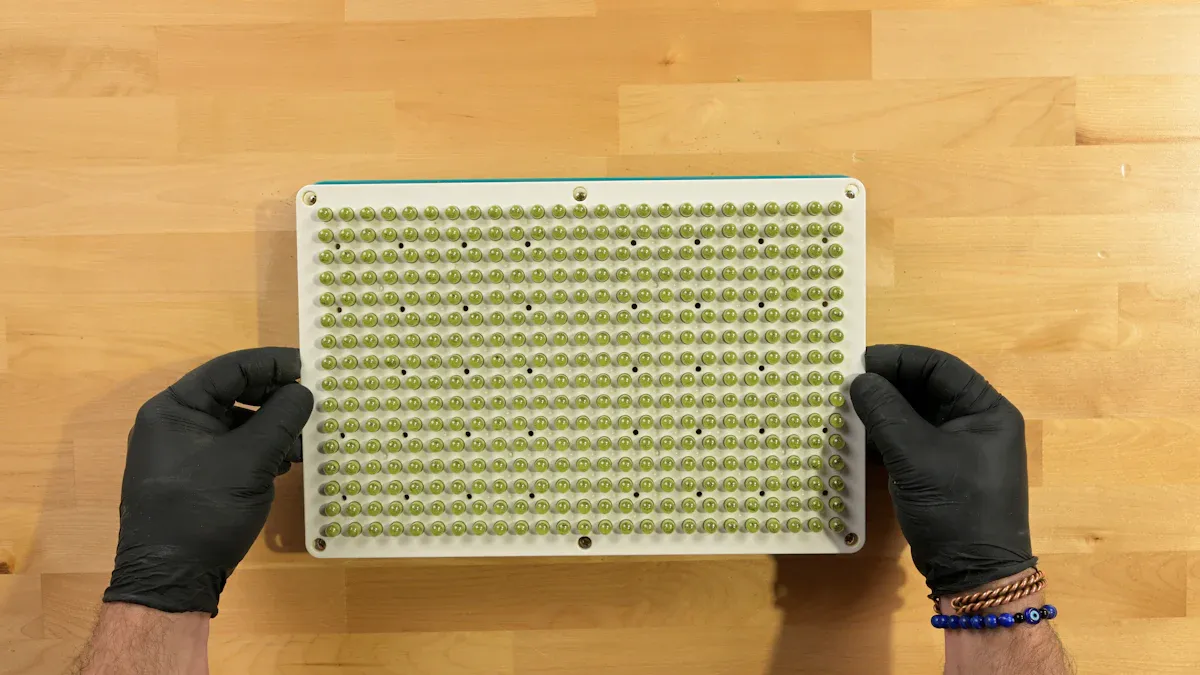
Small manual fillers set the standard. They fit low-volume work. Entry-level choices like MUHWA start easy. Beginners love them. You make small batches. You skip pricey big machines.
The simple frame stacks easily. Clear frames guide empty bodies fast. Capsules drop into holes. The tamper plate has 100 pins. It presses powder down. Every cell fills evenly.
A raised wall sits on edges. This guard stops powder spills. You spread powder safely. You save raw items easily. Your table stays clean.
[Spill Guard Ring] ---> Prevents Powder Loss
[100-Hole Plate]   ---> Holds Capsule Shells
[Tamper Unit]      ---> Packs Powder Evenly
Small manual trays fit light tasks. Make 100 to 500 capsules. This fits daily vitamin needs. R&D techs test new formulas. They test before full factory runs.
You skip special tech training. Running 100-hole trays stays simple. Beginners learn capping very fast. Two or three tries work.
Note: Simple manual steps give full control. You need no complex electronic settings.
Low prices attract new users. You save money early on. You get reliable desktop gear.
Low Upfront Cost: Trays cost very little money.
Compact Size: Trays hide inside drawers easily.
Easy Maintenance: Plastic parts wash clean fast.
Manual capping slows down total speeds. You place caps by hand. Every slot needs a cap. Check Capsule Machines Compared for commercial growth. Manual 100-hole types cause work stops. High hand labor slows progress.
Compounding pharmacies need strong tools. Daily tasks require reliable equipment. A 200-hole tool spans gaps. It connects tiny home trays. It joins big commercial units. You make medium batches easily. You avoid high industrial prices.
Stronger parts make these systems. Thick acrylic plates resist bending. Metal sheets handle heavy force. Cam-locking levers clamp layers tightly. Tight locks stop powder leaks. Your filling process stays clean.
A 200-pin tamper packs powder. It presses all holes equally. Heavy frames spread downforce evenly. Surface pressure stays totally flat. You get uniform capsule weights. Every single run stays consistent.
[200-Pin Tamper Plate]
        │
        ▼  (Equal Downforce)
[Capsule Body Tray] ──► Consistent Fill Weight
Compounding pharmacies craft custom meds. Special orders need fast processing. A 200-hole tray handles jobs. Work runs very efficiently now. You craft 200 capsules quickly. One clean cycle finishes them.
Operation Phase | Time Required |
|---|---|
Capsule Loading & Separation | 2 to 3 minutes |
Powder Spreading & Tamping | 2 minutes |
Capsule Locking & Ejection | 1 minute |
Pharmacists switch formulas very often. Daily schedules demand quick changes. You strip 200-hole trays easily. Washing takes very little time. Smooth plates dry super fast. Lab downtime stays extremely low.
These tools balance setup costs. Daily output stays very high. Output doubles entry-level 100-hole units.
Cost Efficiency: You double your production rate without paying high commercial prices.
Higher Daily Volume: You produce up to 4,500 capsules per hour.
Low Initial Investment: Trays cost far less than fully automatic options.
Simple Maintenance: You need no electrical repairs or complex software updates.
Manual trays create work stops. Placing caps takes much time. Filling 200 slots gets boring.
Hand Strain: Loading empty capsules repeatedly causes finger fatigue.
Shift Limits: Technicians lose speed after several consecutive batch runs.
Reviewing output goals helps choice. Capsule Machines Compared guides your path. Trays act as stepping stones. Automation comes much later on.
Growing supplement brands need faster tools. A 300-hole tool speeds output. You scale up production easily. You avoid costly factory setups.
Semi-automatic models feature stronger frames. Metal plates guide capsule shells fast. Stainless steel stops plate bending. Precise laser cuts align holes well.
A 300-pin tamper packs powder quickly. Top spreader trays move powder fast.
[Spreader Tray] ──► Spreads Powder Fast
       │
       ▼
[300-Pin Tamper] ──► Packs Powder Evenly Across All Slots
These upgrades make filling very easy. You control dosage weights carefully.
High capacity changes your daily schedule. Systems finish 300 capsules quickly.
Production Metric | Output Rate |
|---|---|
Batch Time | 4 – 6 minutes |
Capsules Per Batch | 300 capsules |
Average Hourly Yield | 6,000 – 8,000 capsules |
Techs make 8,000 capsules hourly. This helps fulfill big orders.
Good powder raises your speed. Granulated powder flows smoothly now. You load capsules much faster. Good preparation reduces wasted material.
You gain speed without automation. These units cost much less. Businesses save money while growing.
Big batches take real work. Separating 300 capsules takes force. Locking capsules demands firm pushing.
⚡ Efficiency Note: Workers should swap duties often. Regular breaks stop body fatigue.
Checking Capsule Machines Compared shows this model bridges gaps.
Top benchtop units use 400-hole trays. You get top speed easily. You skip big expensive factories.
Makers build big, tough units. Thick plastic joins metal plates. Metal parts stop frame bending. You get strong gear for work.
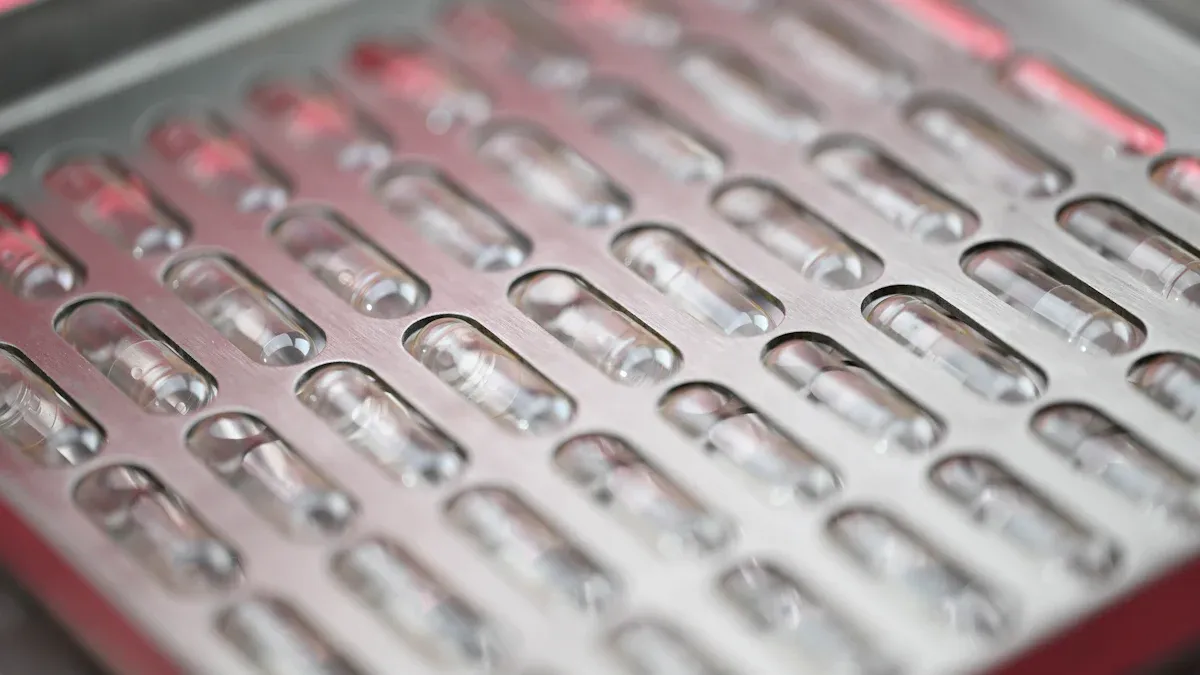
Lasers cut clean holes fast. Every hole aligns with pins. Capsule shells drop in quickly. Smooth walls save shells from damage.
Good workers run big batches. Output grows with low costs.
Operational Setup | Real-World Hourly Output |
|---|---|
Standard Manual Setup | 4,000 capsules |
Optimized Operator with Fast Loader | 5,000 capsules |
You fill big orders fast. High output cuts labor costs.
[400-Hole Loader] ──► [Fill & Tamp Powder] ──► [Lock 400 Caps] = 5,000 Caps/Hour
Wide trays hold extra powder. High walls stop mess easily. You spread powder across holes. No material spills over edges. Clean steps save costly powder.
⚠️ Operational Tip: Closing 400 caps takes real force. Workers must take short breaks.
Swap workers during long shifts. Use leverage tools for locking.
Big tools need wide tables. Sturdy desks support heavy frames. Flat spots keep trays stable.
Machine size selection is your first step. Materials and actions change output rates.
Check bulk density before starting. Heavy powders pack tightly into holes. Light powders need multiple tamping steps. Moist powders clump quickly. Store items in controlled spaces.
Particle size changes settling speed. Granulated mixtures flow smoothly now. Fine powders stick to tray edges.
Flow Tip: Granulate fine active ingredients first. Smooth granules fill bodies faster.
Hand pressure controls final product quality. Uneven pressing creates weight variations. Machine types change weight consistency:
Filling Method / Mechanism | Operator Role & Technique Impact | Fill Weight Variation Range |
|---|---|---|
Manual Capsule Trays | High reliance on technique | 5% to 8% |
Relies on mechanical tamping | 3% to 5% | |
Fully Automatic Machines | Automated tamping pins | Under 2% |
Rushing manual operations causes spills. Steady motions save valuable powder. Scheduled short breaks improve accuracy.
Select compatible capsule shells for equipment. Gelatin shells absorb moisture fast. They bend under uneven pressure. HPMC vegetable shells offer rigidity. They resist humidity during cycles.
[Gelatin Shells]  ──► Softer Body  ──► Sensitive to Humidity
[HPMC Shells]     ──► Stiffer Wall ──► Better Machine Tolerances
Capsule size determines tray choices. Large size 000 needs deep holes. Small size 5 needs delicate handling. Precision-bored trays match your shell sizes.
Match gear costs to daily goals. This keeps work profitable. Check budget limits first. Count needed labor hours.
Basic 100-hole trays save cash early. These simple plates lack motors. Big 400-hole sets cost more. Semi-automatic frames raise prices. Buy essential extras too. Get loaders and guards.
[Basic 100-Hole Tray]   ---> Lowest Initial Cost  ---> Higher Labor Per Unit
[Advanced 400-Hole Set] ---> Moderate Initial Cost ---> Lowest Labor Per Unit
Small tools need extra labor. Big trays drop unit costs.
Machine Option | Labor Hours Needed (Per 10,000 Caps) | Labor Cost Efficiency |
|---|---|---|
100-Hole System | 4 to 5 Hours | High Labor Cost |
200-Hole System | 2.5 to 3 Hours | Moderate Labor Cost |
300-Hole System | 1.2 to 1.5 Hours | Low Labor Cost |
400-Hole System | 1 Hour | Lowest Labor Cost |
Techs fill extra holes fast. You save payroll money.
Track weekly batch needs carefully. Switch to 300-hole options soon. Upgrade when hand work exceeds hours. Capsule Machines Compared reveals smart options. Pick best trays now.
Growth Tip: A 300-hole tray doubles work output. Save your counter space.
Benchtop trays fit small teams. Growing supplement brands hit limits.
Buy automatic machines at high targets. Upgrade past 150,000 daily caps. Automation saves big labor costs. It keeps weights totally accurate. Work runs smoothly long hours.
Picking a unit depends on your goals and work. Small 100-hole and 200-hole trays help testing labs. Pharmacies make custom batches easily with them. Larger 300-hole and 400-hole options help growing companies. They make many capsules fast.
Quick cycles take 4 to 6 minutes. Making 5,000 capsules hourly lowers your labor costs. Comparing these Capsule Machines Compared helps you buy gear. Use 100-hole trays for simple testing. Choose 200-hole units for pharmacy orders. Pick 300-hole or 400-hole machines for bigger production.
Review your output targets. Pick 100-hole sets for testing. Select 400-hole trays for 5,000 capsules hourly. Larger trays save workforce money.
⚠️ Note: Tray holes match single capsule sizes precisely.
Tray sizes cannot change. Holes fit exact sizes from 000 to 5. Buy separate trays for each size.
Semi-automatic 300-hole runs take 4 to 6 minutes. Complete five quick tasks per run:
Load capsule shells
Separate caps from bodies
Spread active powder
Tamp powder evenly
Lock finished capsules
Gelatin and HPMC vegetable shells function well. HPMC shells stay firm against humidity. Gelatin shells absorb moisture quickly. Keep your workspace dry.
Semi-automatic tools feature mechanical pin tampers. Special levers reduce clamping force. Workers avoid hand strain easily. Daily output remains high.
Manual Trays ──► Up to 150k Caps/Day ──► Upgrade to Automatic Machines
Upgrade when daily targets reach 150,000 capsules. Fully automatic tools replace hand labor. You lower labor costs. Fill weight variations stay under 2%.