Views: 0 Author: Site Editor Publish Time: 2026-03-23 Origin: Site
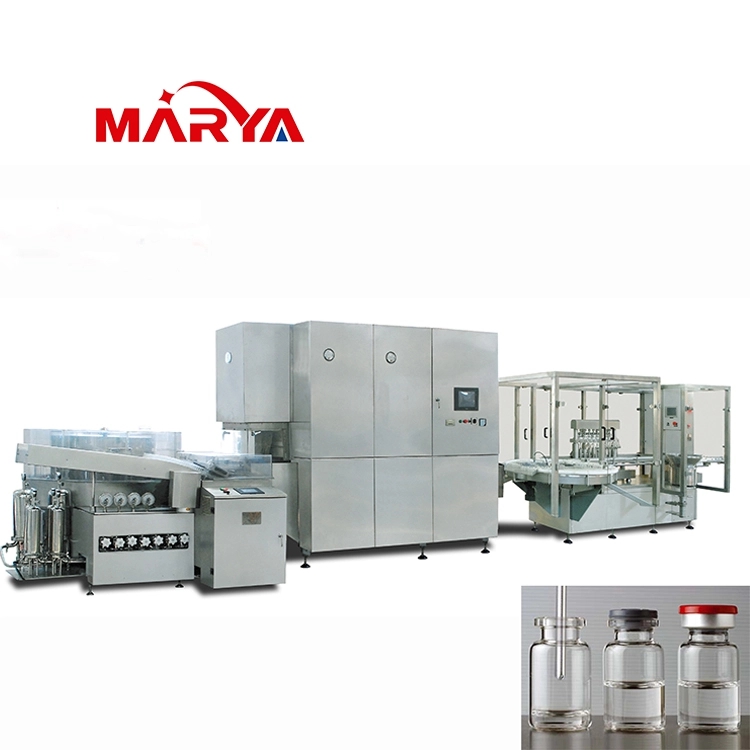
Vial filling sealing lines cost from $5,000 to $99,999 in 2026. Pick the right one for your needs and money.
Automation levels change the price a lot. Fully automatic machines are fast and work well, but they cost more.
Bigger machines fill more vials each minute. This saves time and lowers worker costs. Buy machines that fit how much you need to make.
Remember extra costs like shipping, checking, and training. These costs are important for good work and following rules.
Entry-level machines are good for small jobs. Mid-range machines are better for growing companies. High-end machines are best for big factories.
When you want to buy vial packaging machines, you should know what makes up the total price. Every part of the vial filling sealing line changes how much you spend and how good your products are. Equipment, automation, capacity, and setup all matter. Let’s look at these main parts so you can make smart choices for your medicine business.
You start by looking at the equipment. In 2026, vial packaging machines cost between $5,000 and $99,999. The features you pick will change the price. If you want machines with new vial packaging technology, you pay more. Machines with easy controls, automatic feeders, and high-precision controls help you get better results and work faster. You also need to check the sealing method. Some machines use heat sealing, while others use crimp, roll-on, vacuum, or ultrasonic sealing. Each way changes how fast and well your machine works.
Machine Model | Production Speed (vials/min) | Sealing Mechanism | Energy Consumption (kW) | Dimensions (L x W x H in cm) | Key Features |
|---|---|---|---|---|---|
Model A | 250 | Heat Sealing | 2.5 | 150 x 80 x 150 | User-friendly interface, Automatic feeder |
Model B | 300 | Crimp Sealing | 3.0 | 160 x 90 x 160 | High precision, Compact design |
Model C | 200 | Roll-on Sealing | 2.0 | 140 x 70 x 140 | Versatile, Easy maintenance |
Model D | 350 | Vacuum Sealing | 3.5 | 170 x 100 x 170 | High output, Advanced control system |
Model E | 280 | Ultrasonic Sealing | 2.8 | 155 x 85 x 155 | Fast setup, Minimal waste |
Faster machines help you make more vials and get better quality. If you want to keep up with future needs for injectable drugs, you should buy vial packaging machines that are quick and accurate.
How much automation you want changes the price and how you work. You can pick manual, semi-automatic, or fully automatic vial packaging machines. Manual machines start at about $15,000. Semi-automatic machines cost less than fully automatic ones. Fully automatic machines can cost over $200,000, but they give you the best quality and speed.
Type of System | Estimated Cost Range |
|---|---|
Manual | Starting around $15,000 |
Semi-Automatic | Varies, generally lower than fully automatic |
Fully Automatic | Can exceed $200,000 |
Automated packaging systems give you many good things:
You can make more vials in less time.
Machines help you avoid mistakes and keep your products safe.
You spend more at first, but you save money later by needing fewer workers and making less waste.
If you want to save money with vial packaging machines, you should look at automated vial packaging solutions. These systems help you follow strict medicine rules and make your vials better.
Capacity and throughput tell you how many vials you can fill and seal each minute. Higher capacity means you can handle bigger orders and keep your work moving. Some vial packaging machines can fill up to 350 vials every minute. Older machines only do 30 to 50 vials each minute. Faster machines help you save money and get better results.
When you pick machines with higher throughput, you get:
Benefit | Explanation |
|---|---|
One person can run more than one machine, so you need fewer workers. | |
Higher yield per batch | Less waste means you make more products. |
Reduced errors | Fewer mistakes mean you lose less product. |
Lower maintenance needs | Strong parts mean you fix machines less often. |
ROI Insight | Most systems pay for themselves in 2–3 years because they work better. |
Buying high-capacity vial packaging machines helps you reach your goals faster and saves you money.
Installation costs add to your spending. In 2026, you pay between $3,000 and $15,000 to set up your machines. The price depends on how good the parts are, how hard the job is, and what tests you need. If you pick better materials, you pay more. Harder capping and sealing jobs take more time and money. Special tests for container closure integrity also cost extra.
Factor | Impact on Costs |
|---|---|
Better materials can make costs go up. | |
Complexity of processes | Harder capping and sealing means more work and money. |
Testing and validation needs | Special tests for container closure integrity add to the price. |
You should plan for these costs when you buy vial packaging machines. Good setup helps you get the best quality and keeps your work safe.
Tip: Always ask your supplier about installation, training, and validation costs. These extra costs can change your total budget and affect how good your vial packaging technology is.
Now you know how each part of the vial filling sealing line changes your cost. If you want to do well in the future, you need to pick the right equipment, automation, capacity, and setup for your vial packaging machines. This helps you get the best quality and save money for your medicine business.
You must decide how many vials you fill each day. High production means you need fast, automated vial filling lines. These machines can cost more than $5 million for basic setups. Special biologics machines can cost up to $15 million. Small businesses may think these prices are too high. Many small companies cannot buy advanced vial technology because it costs a lot. Big pharmaceutical sites use high-speed machines for mass production. This helps them work faster and better. Automation saves money on workers and cuts waste. Automated vial filling lines can lower labor costs by 40%. They can also cut material waste from 7% to 2%. You get more good vials and lose less.
Automated vial filling lines are needed for high production.
Validation and qualification can use 35% of your project money.
Small manufacturers have trouble because of high costs.
Regional hubs can make equipment prices 20% lower.
Pharmaceutical companies have different needs. You might need special vial sizes or unique filling ways. Customization makes the vial filling sealing line cost more. You pay extra for machines that handle special vials or change quickly. If you must follow strict standards, you spend more on equipment and processes.
Factor | Impact on Price |
|---|---|
Specialized Equipment | Costs go up because machines are custom |
Changeover Capabilities | Extra costs for time and checks during changeovers |
Compliance with Regulatory Standards | May need pricier equipment and processes |
Where you buy your vial filling sealing line matters. Domestic machines usually cost less because making them is cheaper. If you buy from another country, you pay more for shipping and brand name. Domestic machines help small and medium businesses spend less at first. In some places, local hubs can lower import taxes and make equipment prices 15-20% cheaper. This helps you save money and work better.
Domestic suppliers have cheaper vial equipment.
Imported machines cost more because of shipping and brand.
Local hubs can lower prices for pharmaceutical companies.
Pharmaceutical companies must follow strict rules. You need to meet standards like GMP and FDA. These rules keep your vial filling sealing line safe and high quality. Meeting these rules costs more money. You need better technology and extra checks. New GMP rules need risk-based sterile manufacturing. This means you must spend a lot on equipment upgrades. Validation and qualification can add 35% to your project costs. You must plan for these costs to keep your work safe and efficient.
Compliance Requirement | Description | Cost Implication |
|---|---|---|
Good Manufacturing Practice (GMP) | Makes sure processes are sterile and consistent | Compliance costs are high because rules are strict |
Installation Qualification (IQ) | Checks that equipment is installed right | Setup costs go up because of checks |
Operational Qualification (OQ) | Makes sure equipment works as it should | Costs keep going for regular checks and fixes |
Performance Qualification (PQ) | Makes sure the system works well in real life | Costs can go down if you work better and make fewer mistakes |
Note: Always check that your vial filling sealing line follows all rules. This keeps your products and business safe.
Entry-level vial packaging machines are good if you want to spend less money. These machines are simple and work well for small jobs. You can use them to fill and seal vials in small batches. They are easy to use and do not have many extra features. Most entry-level systems have basic controls. Some are manual, and some are semi-automatic. The price for these machines is between $5,000 and $29,499. Some European machines cost from €19,000 to €71,000.
Here is a table with real examples of entry-level vial packaging machines:
Manufacturer / Model | Price |
|---|---|
IDM Automation SRL MS I 120/12 | |
Bausch&Strobel AFV4005 | 19,000 € |
PKB Vial / ampoules filler | Price on request |
MARCHESINI GROUP ML652 | Price on request |
Zellwag Z 201 | Price on request |
ROMACO Macofar Tipo MT8 | Price on request |
Comas RTS 6 | Price on request |
Groninger DFV 6000 | Price on request |
Bausch + Stroebel KSF 2020 monoblock | Price on request |
Entry-level machines are great for small labs. You can use them for research or making a few vials. They are easy to take care of and do not cost much. These machines help you start your vial packaging business without spending a lot.
Tip: Entry-level machines let you try new ideas for less money. You can buy a bigger machine later if you need more speed or automation.
Mid-range vial packaging machines give you more features than entry-level ones. They can fill and seal vials faster and more accurately. These machines use better technology and can be semi-automatic or fully automatic. You get better controls and can change settings quickly. Some machines let you customize a little. Prices for mid-range machines are from $30,000 to $99,999. These machines are good for medium-sized jobs and can handle more vials.
Mid-range machines help you get good quality without spending too much. They are reliable and work well for companies that are growing. You can use them for regular work and get the same results every time. These machines have better technology and help you follow quality rules.
Here is a table that compares mid-range, entry-level, and high-end machines:
Feature | Zonesun (Mid-Range) | Syntegon (High-End) | Groninger (High-End) |
|---|---|---|---|
Pricing | Higher investment required | Higher investment required | |
Functionality | Basic vial filling, stoppering, crimping | Advanced automation and high-speed capabilities | Versatile for diverse product lines |
Customization | Some options available | Extensive customization | Strong customization potential |
Technological Advancements | Actively improving features | Leading in automation tech | High precision and flexibility |
Suitability | Smaller-scale operations | High-volume production | Flexible for various products |
Mid-range machines help you make more vials as your business grows. You can keep your quality high and work with different vial sizes. These machines give you more choices and better results.
Note: Mid-range machines are a good choice if you want to grow. You get more speed and automation but do not pay for the most expensive features.
High-end vial packaging machines are the best you can buy. They use the newest technology and work very fast. You can fill and seal thousands of vials every hour. These machines are fully automatic and have strong quality checks. You can change them to fit many vial types. Prices for high-end machines start at $100,000 and can go up to $450,000 or more. Some special machines cost over $1 million for big jobs.
High-end machines help you follow strict rules for medicine. They are made for big factories that need to make lots of vials. These machines use advanced technology and keep your quality high. You can use them for vaccines, biologics, and other important products.
You get:
Fast work for big batches
Smart automation for fewer mistakes
Special controls for different vial sizes
Strong checks for every vial
High-end machines help you do your best work. You can use them for hard jobs and stay ahead of other companies. These machines are reliable and help you win in the medicine business.
Callout: If you need to make lots of vials and keep quality high, high-end machines are the best. You can buy advanced technology and keep your company strong.
Tier | Price Range | Automation Level | Throughput (vials/min) | Customization | Suitability |
|---|---|---|---|---|---|
Entry-Level | $5,000–$29,499 / €19,000–€71,000 | Manual/Semi-Auto | Up to 120 | Limited | Small labs, pilot projects |
Mid-Range | $30,000–$99,999 | Semi/Full Auto | Up to 350 | Moderate | Growing companies |
$100,000–$450,000+ | Full Automation | 350+ | Extensive | Large factories, mass production |
You can pick the right machine for your needs and money. Entry-level machines are good for starting small. Mid-range machines help you grow. High-end machines give you the best speed and quality. You get the best results when you choose the right machine for your goals.
When you buy a vial filling sealing line, you must plan for extra expenses. These costs go beyond the machine price. You need to think about shipping, validation, maintenance, and training. Each cost affects your budget and helps you run your vial operation smoothly.
Shipping and logistics can change your total cost. You pay for moving the vial filling sealing line from the supplier to your site. If you buy from another country, you pay more for customs and insurance. You must check the size and weight of the vial machine. Large machines need special trucks or cranes. You also pay for unloading and moving the vial equipment inside your facility.
Tip: Ask your supplier for a shipping quote before you buy. This helps you avoid surprises.
Validation and documentation keep your vial process safe and legal. You must prove that your vial filling sealing line works right. You pay for tests, reports, and checks. You need documents for GMP and FDA rules. These papers show that your vial machine fills and seals vials correctly. You also pay for audits and inspections.
Validation Step | Purpose | Cost Impact |
|---|---|---|
IQ/OQ/PQ | Checks and tests | Adds to project cost |
Documentation | Proof for regulators | Needed for approval |
Maintenance and support keep your vial filling sealing line working well. You pay for spare parts, repairs, and service visits. You need regular checks to stop problems before they start. Some suppliers offer support plans. These plans help you fix your vial machine fast. You also pay for software updates and technical help.
Note: Good maintenance saves money by stopping breakdowns and keeping your vial operation running.
Training helps your team use the vial filling sealing line safely. You pay for lessons, manuals, and practice sessions. Your workers learn how to fill and seal vials the right way. Training also covers cleaning and fixing the vial machine. You must train new staff when you add more vial equipment.
Training costs depend on the number of workers.
You get better results when your team knows how to use the vial machine.
You must plan for these extra costs. Shipping, validation, maintenance, and training help you get the best results from your vial filling sealing line. Careful budgeting keeps your vial operation safe and efficient.
You can save money by picking the right automation level. Automated vial packaging solutions help you work faster and make fewer mistakes. Machines with simple controls are easy for your team to use. Human-Machine Interfaces let people run machines without special training. Look for systems that change vial sizes quickly. Fast changeover speed means less waiting and more work done. If you plan for new trends, you get machines that can handle new vial types. This keeps your business strong.
Tip: Automated vial packaging solutions help you follow strict rules. They make your vial work safer. You get better results and save money later.
You should check how much vial packaging machines really cost. Cheap machines may break often or need special workers. This can cost more over time. Focus on the total cost, not just the first price. Pick machines that last longer and need less fixing. Machines with good support help you solve problems fast. Some suppliers answer questions in two minutes. This saves you time. Plan for upgrades and maintenance. If you think about future trends, you pick machines that grow with your business.
Factor | Impact on Cost-Effectiveness of Vial Packaging Machines |
|---|---|
Reliability | Fewer breakdowns mean lower costs |
Ease of Use | Less training needed saves money |
Support Ecosystem | Fast help reduces downtime |
Upgrade Potential | Machines ready for future trends in vial packaging |
You can pay less by talking with suppliers. Ask for better prices or extra services for your machines. Compare offers from different suppliers. Hybrid supply chains mix trusted European brands with producers from China and India. This balances cost and risk. You get good technology and save money. If you plan for future needs, ask for machines that fit new vial types. Suppliers may give deals if you buy more machines or promise future orders.
Note: Smart negotiation helps you get the best machines for your money. You build strong relationships and prepare for new trends.
Use these tips to make your vial operation cost-effective. Choose the right machines, focus on efficient production, and plan for the future. This keeps your business safe and strong.
You have learned that a vial filling sealing line costs from $5,000 to $99,999 in 2026. You should think about all the things that change the price, like equipment, automation, and installation. Remember to plan for extra costs such as shipping, validation, and training. If you want your pharmaceutical business to do well, follow the tips in this guide. These ideas help you make better choices and keep your quality high.
Next steps: Think about what vials you need, look at different suppliers, and ask them for prices. This helps you build a stronger pharmaceutical business and make safe vials for medicine.
A vial filling sealing line fills and seals vials for medicine. This system keeps your medicine safe and clean. Vial packaging machines make your work faster and more dependable.
Vial packaging machines help you stop mistakes. You get the same results every time. These machines use smart controls to check each vial for leaks or problems. You can trust your medicine stays safe.
You pay for shipping, setup, and training. You also spend money on validation and maintenance. These costs help your vial operation work well. Always ask your supplier about these expenses.
You should pick vial packaging machines that can handle new vial sizes and technology. Planning ahead helps you stay ready. You can upgrade your machines as your business grows.
Entry-level machines are good for small jobs. You can fill and seal vials without spending a lot. These machines help you start your business and get ready for bigger projects later.