
Views: 0 Author: Site Editor Publish Time: 2025-06-27 Origin: Site
GMP (Good Manufacturing Practice) refers to a set of guidelines established by regulatory bodies such as the FDA and EMA to ensure that pharmaceutical products, including medicines, vaccines, and biologics, are consistently produced and controlled according to high-quality standards. These guidelines help minimize risks in production, focusing on manufacturing environments, quality control, equipment maintenance, and employee training. In the context of GMP-compliant vial filling lines, these systems ensure that products are filled in sterile, contamination-free environments, maintaining product integrity and meeting regulatory requirements. Following GMP standards guarantees safety, effectiveness, and consumer trust in the final product.
A GMP-compliant vial filling line consists of a series of automated machines, conveyors, and quality control systems designed to fill pharmaceutical vials with various substances, such as injectable drugs, vaccines, and biologics. These systems are designed to minimize the chances of contamination, ensure the accurate filling of vials, and maintain the sterile conditions necessary for pharmaceutical production.
GMP-compliant vial filling lines include features such as air filtration systems, cleanroom environments, and automated monitoring systems to ensure that each step of the process meets stringent regulatory requirements.
For a vial filling line to be GMP-compliant, it must adhere to strict guidelines set by various regulatory bodies. These include:
Design and Construction of Equipment: The equipment must be constructed from materials that are easy to clean and disinfect. Components should be designed to avoid contamination and be resistant to corrosion.
Operational Procedures: Standard Operating Procedures (SOPs) must be followed at all stages of vial filling, from sterilization through filling, stoppering, and final packaging. These procedures ensure that each batch meets the required quality standards.
Validation and Documentation: The GMP guidelines require that each filling line undergoes validation to ensure it operates consistently within the required parameters. Detailed records must be kept of every step in the production process to ensure traceability and accountability.
A GMP-compliant vial filling line includes several key components:
Vial Filling Equipment: Automated machines designed to fill vials accurately and efficiently, reducing human intervention.
Sterilization and Decontamination Systems: Equipment that ensures the vials, fill material, and environment are sterile before and during the filling process.
Automated Filling Stations: Automated stations that perform the filling process, ensuring accurate dosages and reducing the risk of contamination.
Inspection Systems: Machines designed to inspect the filled vials for defects such as cracks, leaks, or contamination.
Labeling and Packaging Systems: Machines that label the vials with the appropriate information and package them in compliance with regulatory standards.
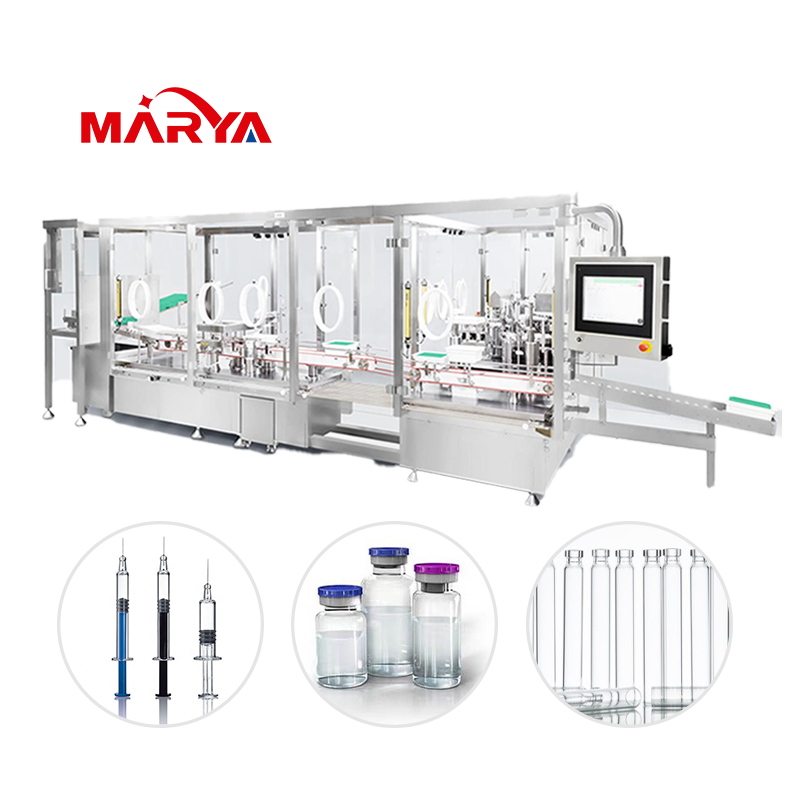
GMP compliance ensures that the vial filling process consistently produces high-quality products. By strictly controlling the production environment and processes, manufacturers reduce the risk of contamination, dosage errors, or improper sealing, which could negatively affect product quality and safety.
In the pharmaceutical industry, ensuring that every vial is filled correctly and sealed under sterile conditions is paramount for patient safety. GMP-compliant vial filling lines help maintain the quality of injectable drugs and vaccines, which are particularly vulnerable to contamination and deterioration.
GMP-compliant vial filling lines help minimize risks by automating critical stages of production. Automation reduces human error and improves the consistency of filling, stopping, and sealing processes. This leads to fewer product defects, fewer recalls, and improved operational efficiency.
Moreover, the automation of these lines increases speed and production output, making the process more cost-effective while maintaining compliance with stringent regulatory standards.
The pharmaceutical industry is highly regulated, with authorities such as the FDA, EMA, and WHO setting strict guidelines for product safety. GMP-compliant vial filling lines ensure that manufacturers meet these regulatory standards, avoiding legal issues and ensuring continued market access.
Failure to comply with GMP regulations can lead to severe consequences, such as product recalls, fines, and even the shutdown of production facilities. Adhering to GMP standards not only ensures product safety but also helps companies build consumer trust.
The GMP-compliant vial filling process typically includes several stages to ensure the safe and effective filling of vials. Each step is designed to meet strict standards for quality and cleanliness:
Vial Cleaning and Sterilization: The vials are cleaned and sterilized to ensure they are free of contaminants before the filling process begins.
Filling: The vial filling machine fills each vial with the drug substance or vaccine. The system ensures that each vial receives the correct dosage.
Stoppering: After the vial is filled, a stopper is placed on the vial to prevent contamination.
Inspection: The filled and stoppered vials are inspected for defects such as cracks, leaks, or particles.
Labeling and Packaging: The vials are labeled with the necessary product information and packaged for distribution.
Automation plays a crucial role in ensuring the consistency and accuracy of the vial filling process. Automated filling systems eliminate human errors, increase efficiency, and reduce the potential for contamination. Robotic arms, sensors, and automated inspection stations are commonly used to streamline the process.
Automation also ensures that each vial is filled within the required parameters, such as volume, and reduces downtime between production runs, leading to faster production cycles.
Quality control is a critical component of GMP compliance. Various quality control measures are implemented throughout the vial filling process:
In-process testing: This includes checks for leak tests, fill volume, and visual inspection to ensure each vial meets specifications.
Post-production testing: After filling, vials are subjected to sterility testing and stability studies to ensure the product remains safe and effective during its shelf life.
Choosing the right vial filling line is essential for meeting GMP requirements. Key factors to consider include:
Production Capacity and Scalability: The filling line should be able to meet the production demands of the company and scale as needed.
Flexibility: The line should be capable of handling various vial sizes and types to accommodate different products.
Integration with Other Systems: The vial filling line should integrate seamlessly with other systems, such as labeling, inspection, and packaging lines.
When selecting equipment, manufacturers should work with reputable vendors who understand GMP compliance and have experience in the pharmaceutical sector. The vendor should provide equipment that meets GMP standards and offer after-sales support for maintenance and training.
Setting up a GMP-compliant vial filling line can be expensive. Costs include equipment purchase, installation, validation, and ongoing maintenance. While the initial investment can be high, the long-term benefits—such as increased efficiency, reduced errors, and regulatory compliance—often outweigh the costs.
Maintaining GMP compliance can be challenging due to various factors:
Maintaining Sterility: Ensuring that the environment remains sterile during production is one of the biggest challenges in vial filling.
Training Operators: Operators must be properly trained to handle equipment and follow GMP protocols.
Evolving Regulatory Standards: Regulatory requirements may change over time, and manufacturers must stay up to date with these changes.
To overcome these challenges, manufacturers should:
Conduct regular audits and inspections to ensure compliance.
Implement continuous training programs for operators and staff.
Use advanced cleaning and sterilization technologies to maintain sterile conditions.
Preventing contamination is critical in GMP-compliant vial filling lines. Manufacturers should use cleanroom environments, air filtration systems, and regular sterilization protocols to prevent contamination during production.
Several pharmaceutical companies have successfully implemented GMP-compliant vial filling lines, leading to increased efficiency and improved product quality. These companies have seen a reduction in contamination risks and an increase in production output, which has helped them maintain compliance with regulatory standards.
The importance of thorough validation and ongoing monitoring.
The role of automation in ensuring consistent quality.
The need for continuous training and process optimization.
The future of GMP-compliant vial filling lines is influenced by technological advancements, including:
AI and Machine Learning: These technologies are helping optimize production processes, detect defects earlier, and predict maintenance needs.
Robotics: Robotics is enabling more precise filling, labeling, and inspection, improving efficiency and reducing human error.
Sustainability is becoming an increasingly important consideration. GMP-compliant vial filling lines can be optimized for energy efficiency, waste reduction, and recycling, which helps reduce the environmental footprint of pharmaceutical manufacturing.
GMP-compliant vial filling lines are essential for ensuring that pharmaceutical products are produced safely and meet strict regulatory standards. These systems automate and streamline the vial filling process, ensuring accurate dosing, sterilization, and minimal contamination risk. By adhering to GMP guidelines, manufacturers guarantee the quality, safety, and consistency of their products while maintaining compliance with global regulations such as those set by the FDA and EMA. Automation plays a critical role in improving operational efficiency, reducing human error, and speeding up production, making GMP-compliant vial filling lines a vital component in the pharmaceutical industry's commitment to consumer safety and product quality.
A: A GMP-compliant vial filling line meets regulatory standards for cleanliness, sterilization, and quality control.
A: GMP guidelines ensure that vial filling operations are safe, sterile, and consistent, preventing contamination and errors.
A: Key components include sterilization systems, automated filling machines, inspection stations, and packaging systems.
A: Yes, existing vial filling lines can be upgraded with automation, sterilization, and validation systems to meet GMP standards.
A: GMP-compliant vial filling lines should be audited regularly, typically annually, or as required by regulatory authorities.


