
Views: 0 Author: Site Editor Publish Time: 2025-06-30 Origin: Site
Aseptic processing is a critical method used in the pharmaceutical and biopharmaceutical industries to prepare drugs for packaging while ensuring the product and its production environment remain free from contamination. This process is essential when filling drugs into containers like vials, pre-filled syringes, and ampules. Aseptic processing involves careful control of environmental factors and sterilization of both products and containers to maintain sterility.
In the context of vial filling, aseptic processing is used to ensure that the drug inside the vial remains free from harmful microorganisms that could compromise its safety and efficacy. Given the growing demand for injectable biologic drugs, vaccines, and gene therapies, aseptic processing has become even more critical to ensure product safety.
Aseptic processing refers to the practices and procedures employed in the pharmaceutical manufacturing process to maintain a sterile environment when filling containers such as vials. The goal is to prevent any microbial contamination that could compromise the drug’s safety, stability, and effectiveness.
It includes a range of activities, such as sterilizing the containers, ensuring the drug formulation is free from microbes, and maintaining the cleanliness of the manufacturing environment. Unlike terminal sterilization, which sterilizes the product in its final container, aseptic processing involves keeping the product sterile during filling and packaging.
Aseptic vial filling involves several stages, each designed to preserve the sterility of the product. Here's how the process typically works:
Sterilization of Containers
Containers such as glass vials must first be sterilized using methods like autoclaving, dry heat sterilization, or radiation. This ensures that any potential contaminants on the container surface are eliminated before they come into contact with the drug.
Sterilization of the Drug Product
The drug product itself is often sterilized through methods such as filtration, radiation, or chemical sterilization. These methods ensure that no harmful microorganisms are present when the product is filled into containers.
Filling and Packaging
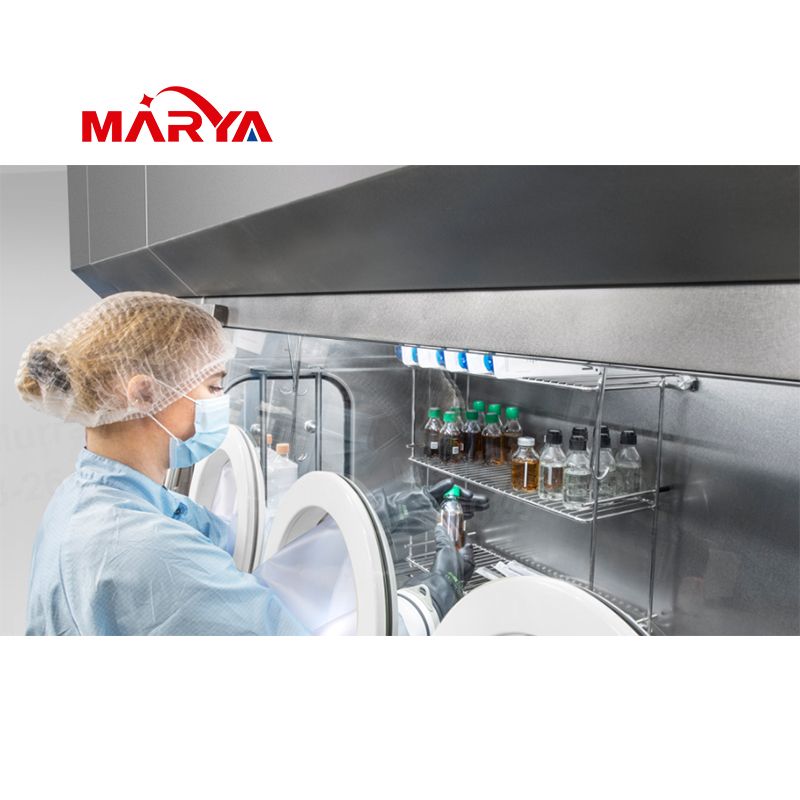
After sterilization, the drug is filled into pre-sterilized containers under strictly controlled aseptic conditions. The environment where the filling occurs is designed to prevent contamination, using technologies like laminar flow hoods and isolators. Once the vials are filled, they are sealed and packaged, ensuring no contamination is introduced during these final steps.
Maintaining the sterility of the product and environment throughout the entire process is essential to the success of aseptic vial filling.
Dry heat sterilization is used primarily for containers sensitive to moisture. It involves exposing glass containers to high temperatures for a specific duration, which kills any microorganisms present and depyrogenates the containers. Dry heat is particularly effective for sterilizing glass containers and is one of the most common methods in aseptic processing.
Autoclaving involves exposing containers to high-pressure steam to kill any microbial contaminants. This method is particularly useful for plastic containers and some metal containers. Autoclaving ensures a high level of sterility, making it a widely used sterilization method in the pharmaceutical industry.
Gamma radiation or electron beam irradiation can be used to sterilize both drug products and containers. This method works by damaging the DNA of microbes, rendering them ineffective. Radiation sterilization is ideal for products and containers that cannot withstand high temperatures.
Chemical sterilization uses agents like hydrogen peroxide or chlorine to sterilize containers. This method is typically used for sensitive materials or equipment that may be damaged by heat or radiation.
Sterilizing drug products through filtration involves using sterilizing-grade filters to remove microorganisms. This is often used for liquid drug formulations that are sensitive to heat or radiation. Filtration ensures that any potential microbial contaminants are removed without altering the composition of the drug.
Maintaining sterility during vial filling is critical because any microbial contamination can lead to health risks for patients. When drugs, especially injectables, are administered to the body, they bypass natural defenses like the digestive system, making the patient highly susceptible to infections.
Risks of Contamination:
Microbial Growth: Contaminated drugs can become a breeding ground for bacteria or fungi, leading to infections when injected into the body.
Product Recalls: Contamination can cause a product to fail quality control standards, leading to costly recalls and loss of consumer trust.
Health Risks to Patients: Contaminated drugs, especially injectables, can cause severe health reactions, including sepsis or other life-threatening infections.
The most commonly used containers in aseptic filling include glass, plastic (such as PET), and metal containers. Each type of container has its sterilization method and suitability for different types of drug products.
Glass Containers: Glass vials are frequently used in aseptic filling due to their inert nature, which doesn’t react with the drug. They are often sterilized using dry heat or autoclaving.
Plastic Containers: Plastic containers such as PET are often used for injectable medications. These containers require careful sterilization due to the potential for chemical interaction with certain drugs.
Metal Containers: Metal containers, such as aluminum ampules, may be used in some aseptic filling processes, though they are less common than glass and plastic.
Aseptic processing requires strict attention to detail and is highly susceptible to contamination at every stage of production.
Microbial contamination can occur through various pathways, such as the air, surfaces, or even human handling. Any lapse in procedure can compromise the sterility of the product, leading to product recalls or severe health consequences.
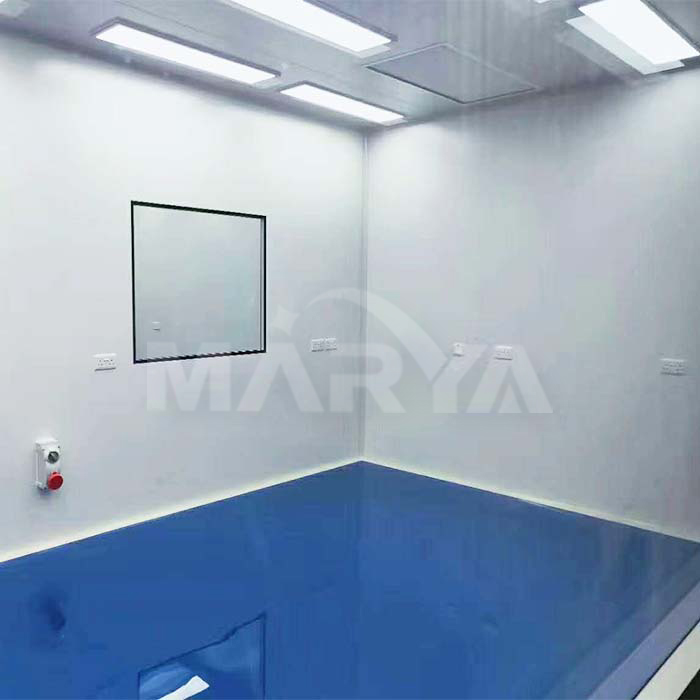
Aseptic filling requires specialized equipment, including laminar flow hoods, isolators, and cleanrooms. The facilities must be designed to maintain sterility at every stage, including air filtration, temperature control, and environmental monitoring.
Maintaining an aseptic environment depends heavily on the knowledge and discipline of the personnel involved in the process. Workers must be trained on aseptic techniques, proper gowning, and sterilization procedures to avoid contaminating the product.
To prevent contamination, the aseptic filling environment must be carefully monitored and controlled. Techniques such as the use of cleanrooms, HEPA filters, and restricted access barrier systems (RABS) help to minimize the risks of contamination.
Constant monitoring of temperature, humidity, and air quality is essential to maintaining an aseptic environment. Continuous environmental monitoring helps identify any deviations that could compromise sterility.
Rigorous testing and inspection procedures ensure that any potential contamination is detected before the product reaches the consumer. Microbial testing, visual inspection, and sterility testing are key components of this process.
Pharmaceutical companies must adhere to strict regulations to ensure the safety and efficacy of their products.
The FDA sets forth detailed regulations for aseptic processing, including requirements for facility design, equipment standards, and personnel training. These guidelines ensure that drug products meet the necessary sterility and quality standards.
Good Manufacturing Practices are a set of guidelines that ensure pharmaceutical products are consistently produced and controlled according to quality standards. GMP covers everything from sanitation and sterilization to the training of personnel.
The European Medicines Agency (EMA) enforces aseptic processing regulations in Europe, which are similar to FDA guidelines but tailored to the specific needs of the European market.
Failure to comply with regulatory standards can lead to severe consequences, including product recalls, financial penalties, and loss of consumer trust. Adherence to regulatory requirements ensures that the products are safe, effective, and suitable for patient use.
As technology evolves, so does aseptic processing. New innovations, such as robotics and automation, are helping to reduce human error, improve efficiency, and minimize contamination risks.
Automated systems in aseptic filling lines can perform tasks with high precision, reducing human contact and the potential for contamination. Robotic arms can handle delicate tasks like filling, stoppering, and sealing with greater consistency than human operators.
Lyophilization, or freeze-drying, is crucial for preserving the stability of sensitive biologics. Advances in lyophilization technology are making it easier to maintain sterility while improving the shelf life of biologic drugs.
With enhanced sterility testing technologies, companies can ensure that their products remain free from harmful microbes throughout the manufacturing process.
Cold chain logistics play a vital role in ensuring the sterility and stability of temperature-sensitive drugs from production to patient administration. Proper temperature control during storage and transportation ensures that the drug remains effective and safe for use.
Aseptic processing is crucial to ensuring that injectable drugs, biologics, and other sterile products are safe for patient use. By maintaining strict sterilization procedures, monitoring the production environment, and adhering to regulatory guidelines, pharmaceutical companies can prevent contamination and ensure the safety and efficacy of their products.
Ongoing Training and Monitoring: Continuous education for personnel and regular monitoring of the environment are critical to maintaining aseptic conditions.
Future Outlook for Aseptic Processing: The future of aseptic processing is focused on technological innovations that enhance efficiency, reduce contamination risks, and maintain high product quality.
A:Aseptic filling maintains sterility during the entire filling process, while sterile filling refers to the sterilization of the final product, typically in its final container.
A:Products like vaccines, biologics, parenteral drugs, and injectable medications all require aseptic vial filling to ensure their safety and efficacy.
A:Contamination can render the product unsafe, causing health issues in patients and leading to product recalls and financial loss.
A:Common causes of contamination include improper sterilization, human error, inadequate environmental controls, and equipment malfunctions.


